



ON THIS PAGE
As the nights draw in and the hoodies come out, you’ll hear gym-goers everywhere declare that it’s “bulking season.” It’s become a bit of a running joke, an excuse to eat more and cover up under baggy jumpers, but behind the memes sits a genuinely effective strategy for building muscle.
Bulking season isn’t just about binging on calories and lifting heavy. Done properly, it’s a deliberate, structured phase that can transform your physique. This guide explains exactly what bulking season is, how the bulk-and-cut cycle works, how to do it right, and the common mistakes that leave people fatter rather than more muscular.
This article is informational and not a substitute for individual dietary advice.
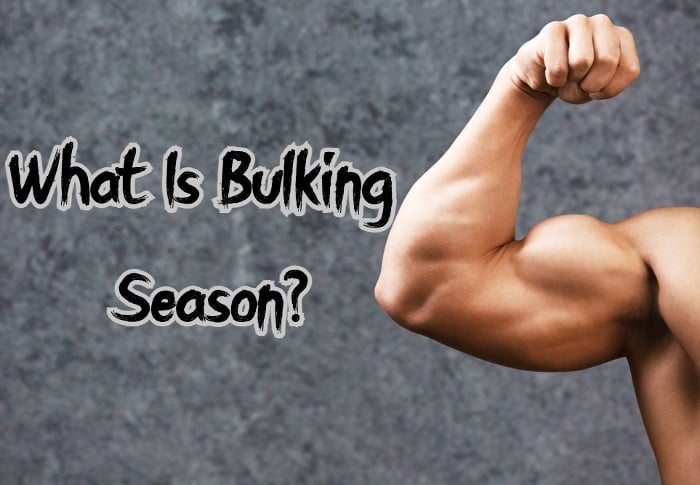
What Is Bulking Season?
Bulking season is a dedicated period, traditionally over the colder autumn and winter months, when you intentionally eat in a calorie surplus to build muscle and strength. It borrows from the idea of an athlete’s “off-season,” a stretch of the year set aside for getting bigger and stronger rather than being competition-lean.
The logic behind the winter timing is simple and a little tongue-in-cheek: you’re covered up in layers, summer beach season is far off, and it’s the perfect time to add size without worrying about visible abs. In reality, though, you can bulk at any time of year. The calendar is a tradition, not a rule. Bulking season is really just whenever you decide to focus on gaining muscle.
The Bulk and Cut Cycle

To understand bulking season, you need to understand the cycle it’s part of. Building a lean, muscular physique usually involves alternating between two phases:
- Bulking: eating in a calorie surplus to build muscle, accepting some fat gain along the way.
- Cutting: eating in a calorie deficit to strip away fat and reveal the muscle you built.
Bodybuilders live by this cycle. They diet down to extreme leanness for competitions, then use their off-season to bulk and rebuild. Everyday lifters benefit from the same approach: you bulk to add muscle, then cut to reveal it. Our full bulking vs cutting guide breaks down how the two phases work together, and where to start.
The reason you can’t just do both at once is that building muscle requires a surplus, while losing fat requires a deficit. For most people, especially those past the beginner stage, chasing both simultaneously means doing neither well. So you cycle between them.
How Bulking Actually Works
Muscle growth, known as hypertrophy, happens through a repair process. When you train hard, you create tiny amounts of stress and micro-damage in your muscle fibres. Your body then repairs them, building them back bigger and stronger, provided you give it two things: enough protein to rebuild the tissue, and enough total calories to fuel the process.
That’s why a surplus matters. Without enough energy coming in, your body simply doesn’t have the resources to build new muscle efficiently. But there’s an important truth to accept: any surplus adds some fat as well as muscle. You cannot gain muscle in a surplus without gaining at least a little fat. The whole skill of bulking well is keeping that fat gain to a minimum while maximising the muscle.
How to Bulk Properly
This is where most people go wrong. Bulking is not a licence to eat everything in sight. Here’s how to do it right:
- Set a modest surplus. Work out your maintenance calories and add roughly 250 to 500 on top. That’s enough to build muscle without piling on excessive fat. Bigger surpluses mostly add fat, because your body can only build muscle so fast.
- Prioritise protein. Aim for around 1.6 to 2.2 grams of protein per kilogram of bodyweight daily to give your muscles the building blocks they need. A protein shake or two makes hitting that easier.
- Train hard and progressively. The surplus only becomes muscle if you give your body a reason to build it. Progressive overload, gradually lifting more over time, is what drives growth. Our guide on how many exercises per muscle group covers sensible training volume.
- Gain slowly. Target around half a pound to a pound of weight gain per week. Faster than that usually means you’re adding unnecessary fat.
- Eat mostly whole foods. Build your diet around quality protein, carbs, and fats, with treats in moderation. Which brings us to the clean versus dirty question.
Clean Bulk vs Dirty Bulk
There are two broad approaches to bulking. A clean bulk uses a controlled surplus built on nutritious whole foods to minimise fat gain. A dirty bulk is a large, unrestricted surplus that leans on calorie-dense junk food to gain as fast as possible, at the cost of a lot more fat.
For most people, a clean bulk is the smarter choice, delivering similar muscle with far less fat and a much easier cut afterwards. We compare the two in depth in our guide on clean bulk vs dirty bulk.
Common Bulking Mistakes
Avoid these and you’ll be ahead of most:
- Eating way too much. The biggest mistake. A huge surplus doesn’t build muscle faster, it just adds fat. Muscle growth is capped by your training and recovery, not by how much you eat.
- Neglecting protein. Piling on calories without enough protein means more fat and less muscle.
- Not training hard enough. A surplus without serious progressive training is just a recipe for gaining fat.
- The “dreamer bulk.” Using bulking season as an excuse to eat junk indefinitely with no plan and no end date.
- Bulking for too long. Riding a surplus for a year straight leaves you very fat and facing a brutal cut. Bulk in focused blocks, then cut.
- Never cutting. Bulking only makes sense if you eventually reveal the muscle. Have a plan to transition to a cut.
When Should You End a Bulk?
There’s no fixed rule, but many people bulk for a few months at a time before switching to a cut, or simply end a bulk once their body fat has crept up to a level they’re no longer comfortable with. A common approach is to bulk until you’re carrying a bit more fat than you’d like, then cut back down to lean, and repeat. When it’s time to reveal your gains, our guide on getting more vascular and defined covers the cutting side.u can on a clean bulk. Don’t dirty bulk, though, and eat those unhealthy foods on a daily basis as not only will your waistline suffer, but so too will your health.
Frequently Asked Questions:
How long should a bulk last?
Often several months, though it varies with your goals and starting point. Many lifters bulk in focused blocks and then cut, rather than bulking indefinitely.
Will bulking make me fat?
You’ll gain some fat, which is unavoidable in a surplus, but a controlled, clean bulk keeps it to a minimum. Overeating and dirty bulking are what lead to excessive fat gain.
How much should I eat to bulk?
A modest surplus of around 250 to 500 calories above your maintenance level works well for most people, aiming for slow, steady weight gain of about half a pound to a pound per week.
Do I have to bulk to build muscle?
Not necessarily. Beginners and those with higher body fat can often build muscle while staying the same weight or even losing fat, known as body recomposition. But if you’re lean and want to get noticeably bigger, you’ll eventually need to bulk.
The Bottom Line
Bulking season is your dedicated window to build muscle by eating in a calorie surplus and training hard. But it rewards strategy, not gluttony. Keep your surplus modest, prioritise protein and whole foods, train with real intensity, and gain slowly to keep fat gain in check.
Do that, and you’ll emerge from bulking season with genuine muscle to show for it rather than just a bigger waistline. Then, when you cut back down, all that hard-earned size will be there waiting. Bulk smart, and the results will speak for themselves.

Reda El Is a CSCS trainer, Registered Dietitian, ACE-certified nutritionist, With more than 12 years of experience, also he's a Brazilian Jiu-Jitsu competitor, he has done many articles and information sources on many authority sites, such as lifehack.org, Healthline, eat this, wealthygorilla.com, and more. He always keeps improving and updating his knowledge to help everyone to achieve their goals.
All articles by Reda Elmardi →