


ON THIS PAGE
Walking into a gym for the first time can feel overwhelming. Rows of unfamiliar machines, racks of weights, and gadgets you’ve never seen before, all with names you don’t know. But learning what everything is called, and what it does, is the first step to training with confidence. Once you can name the equipment, you can follow workout plans, ask staff the right questions, and find your way around any gym floor.
Here’s a complete, beginner-friendly guide to the most common gym equipment names, organised by category, with what each piece does.
The Gym Equipment Names:
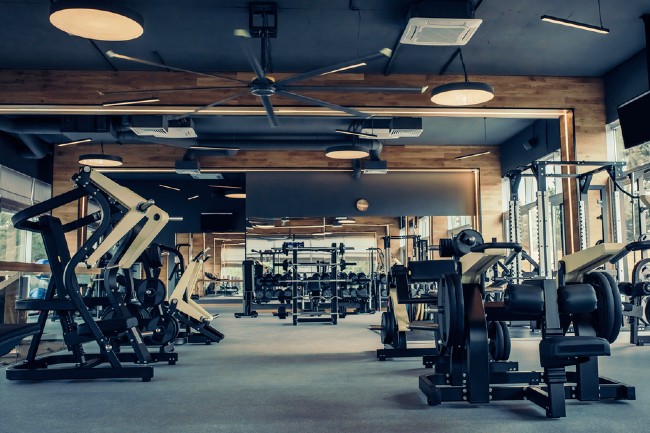
Cardio Machines
These machines raise your heart rate to improve fitness and burn calories.
- Treadmill: the classic cardio machine, letting you walk, jog, or run indoors with adjustable speed and incline. See our guide on the benefits of treadmills.
- Exercise bike: a stationary bike offering low-impact leg cardio, available in upright and recumbent (reclined) styles. More in our exercise bike benefits guide.
- Elliptical trainer: provides a smooth, low-impact gliding motion that works the whole body while sparing the knees, as covered in our elliptical machine benefits guide.
- Stair climber (stepper): simulates climbing stairs to torch the legs, glutes, and cardiovascular system. See stair climber benefits.
- Rowing machine: mimics rowing a boat, combining a leg drive and an upper-body pull for one of the most efficient full-body cardio workouts available.
- Arc trainer: a cross between an elliptical and a stepper, offering low-impact, high-intensity cardio. More in our arc trainer benefits guide.
- Spin bike: a heavy-flywheel indoor cycling bike used in high-intensity spinning classes.
Strength Training Machines
These guided machines let you train specific muscles safely, making them especially good for beginners.
- Leg press: you push a weighted platform away with your legs while your back is supported, building the quads and glutes. See leg press benefits.
- Lat pulldown: you pull a bar down toward your chest to work the back and lats, a great way to build toward pull-ups.
- Chest press machine: a seated pressing movement that trains the chest, a guided alternative to the bench press.
- Seated row machine: you pull a handle toward your torso to train the back muscles.
- Leg extension: isolates the quadriceps by extending your legs against a pad.
- Leg curl: isolates the hamstrings by curling your legs against a pad.
- Cable machine (cable crossover): an adjustable pulley system offering huge versatility and constant tension for almost any muscle.
- Smith machine: a barbell fixed on guided rails for controlled pressing and squatting. Note that its bar weight varies, as we explain in our guide on how much the Smith machine bar weighs.
- Pec deck (fly machine): isolates the chest by bringing your arms together in front of you.
- Shoulder press machine: a guided overhead press for the shoulders.
- Hack squat machine: a guided squatting machine that emphasises the quads.
- Hip abduction/adduction machine: trains the outer hips (abduction) and inner thighs (adduction).
- Assisted pull-up/dip machine: uses a counterweight to help you perform pull-ups and dips, ideal for building strength.
Free Weights and Racks
Free weights are the foundation of serious strength and muscle building, engaging more stabilising muscles than machines.
- Dumbbells: versatile handheld weights used for countless exercises, from presses to curls. See our guide on chest exercises with dumbbells.
- Barbell: a long bar loaded with plates, used for the big compound lifts like the squat, bench press, and deadlift. The standard Olympic barbell weighs 20 kg (45 lb).
- Weight plates: the discs loaded onto barbells and machines to add resistance.
- Kettlebells: cannonball-shaped weights with a handle, great for swings and explosive, functional movements. See kettlebell swing benefits.
- EZ-curl bar: a bar with a zigzag shape that’s easier on the wrists during curls and extensions.
- Weight bench: a padded bench, often adjustable to flat, incline, or decline, used for pressing and countless other exercises.
- Squat rack (power cage): a sturdy frame with safety bars that lets you perform barbell squats, presses, and other lifts safely.
- Preacher bench: an angled pad that braces your arms for strict bicep curls, as covered in our preacher curls guide.
Functional and Accessory Equipment
These versatile tools train strength, conditioning, mobility, and balance.
- Resistance bands: elastic bands that add scalable, joint-friendly resistance almost anywhere. See our resistance bands guide.
- Medicine ball: a weighted ball used for throws, slams, and core work.
- Foam roller: a cylinder used for self-massage to aid recovery and mobility, as covered in our foam roller benefitsguide.
- Battle ropes: heavy ropes you wave and slam for intense full-body conditioning.
- Suspension trainer (TRX): straps that let you perform bodyweight exercises using your own weight and gravity.
- Jump rope: a simple, superb cardio and coordination tool. See jumping rope benefits.
- Ab roller (ab wheel): a small wheel with handles for a challenging core exercise.
- Weighted vest: a vest with added weight to intensify walking and bodyweight training, as covered in our weighted vest benefits guide.
- Balance board: an unstable platform for training balance, stability, and the core. See balance board benefits.
- Dip station (parallel bars): parallel bars for performing dips to build the chest, shoulders, and triceps.
- Pull-up bar: a fixed bar for pull-ups and chin-ups, one of the best upper-body exercises.
- Plyo box: a sturdy box used for box jumps and step-ups to build explosive power.
Tips for Navigating the Gym
Knowing the names is half the battle; here’s how to use them with confidence:
- Ask the staff. Trainers are there to help. Never hesitate to ask how a machine works or to check your form.
- Start light and adjust the settings. Set the seat, pads, and weight to suit your body before you begin, and start with a manageable load.
- Prioritise form over weight. Good technique matters far more than how much you lift or how fast you go.
- Don’t be intimidated. Everyone was a beginner once, and no one masters the equipment overnight. Our guide on building gym confidence can help you feel at home on the gym floor.
Frequently Asked Questions
What are the main types of gym equipment? Gym equipment generally falls into four categories: cardio machines (like treadmills and bikes), strength training machines (like the leg press and lat pulldown), free weights (dumbbells, barbells, and kettlebells), and functional or accessory equipment (resistance bands, foam rollers, and more).
What gym equipment is best for beginners? Beginners do well starting with basic free weights like dumbbells, guided strength machines (which are easy to use safely), and simple cardio machines like the treadmill or exercise bike. Master the fundamentals before progressing to more advanced equipment and heavier loads.
What is the difference between free weights and machines? Free weights like dumbbells and barbells require you to control and stabilise the weight yourself, engaging more muscles, while machines guide the movement along a fixed path, making them easier and safer for beginners to learn. Both are valuable, and many people use both.
What basic equipment do I need for a home gym? A solid starter home gym can be built with just dumbbells (ideally adjustable), a barbell and plates, an adjustable bench, and resistance bands. These few versatile pieces cover most strength exercises you’ll want to do.
How do I know how to use a gym machine? Most machines have instructions printed on them, and you can always ask a trainer for help. Start with a light weight, adjust the seat and pads to fit you, move through the full range of motion with control, and focus on good form.
The Bottom Line
The gym floor can seem intimidating at first, but once you know the names and purposes of the equipment, it quickly becomes familiar territory. From cardio machines like treadmills and ellipticals to strength machines like the leg press, free weights like dumbbells and barbells, and functional tools like resistance bands and kettlebells, each piece has its place in building a fitter, stronger you.
Take your time getting to know the equipment, don’t be afraid to ask for help, and always prioritise good form. Before long, you’ll move around any gym with confidence, and every machine will feel like second nature.

Reda El Is a CSCS trainer, Registered Dietitian, ACE-certified nutritionist, With more than 12 years of experience, also he's a Brazilian Jiu-Jitsu competitor, he has done many articles and information sources on many authority sites, such as lifehack.org, Healthline, eat this, wealthygorilla.com, and more. He always keeps improving and updating his knowledge to help everyone to achieve their goals.
All articles by Reda Elmardi →