


ON THIS PAGE
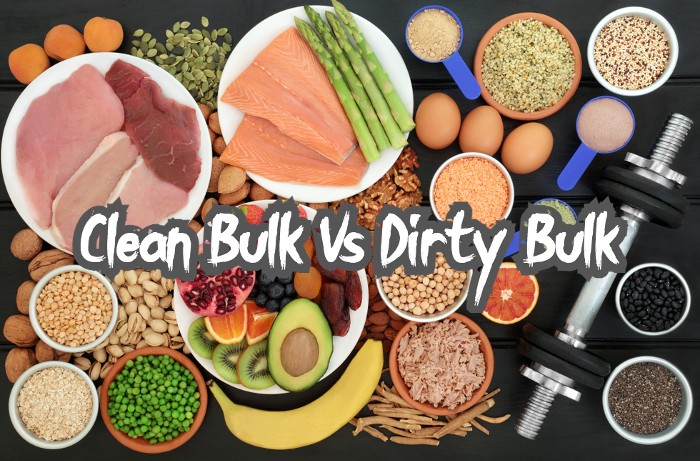
If you want to build serious muscle, at some point you’ll need to bulk, eating in a calorie surplus so your body has the raw material to grow. But there are two very different ways to go about it: the clean bulk and the dirty bulk. One is patient and controlled, the other fast and messy, and choosing the right one has a big impact on how you look and feel at the end of it.
This guide breaks down exactly what each approach involves, the pros and cons of both, and how to decide which is right for you, along with how to actually run a proper bulk.
This article is informational and not a substitute for individual dietary advice.
The Quick Answer
For the vast majority of people, a clean bulk is the better choice. It builds muscle while keeping fat gain under control, which means a leaner result and a much easier cutting phase later. A dirty bulk builds muscle too, but piles on more fat along the way, leaving you with more to strip off afterwards. Dirty bulking mainly makes sense in specific cases, such as a hard gainer who genuinely struggles to eat enough. Now let’s look at why.
What Is Bulking?
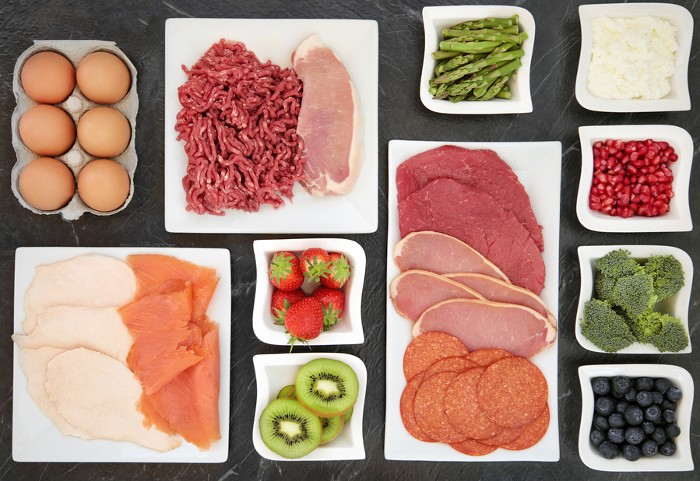
Bulking is a phase where you deliberately eat more calories than you burn, creating the surplus your body needs to build muscle. Combined with hard resistance training, that surplus fuels the repair and growth of muscle tissue after you break it down in the gym. For a fuller explanation of the phase itself, see our guide on what bulking season is, and for how it fits alongside fat loss, our bulking vs cutting breakdown.
The key point is that a surplus always adds some fat as well as muscle. You can’t build muscle in a surplus without gaining at least a little fat. The difference between clean and dirty bulking is simply how much fat you accept along the way, and that comes down to how you manage your calories and food choices.
What Is a Clean Bulk?
A clean bulk, sometimes called a lean bulk, means creating a modest calorie surplus using mostly nutritious, whole foods. Rather than eating with abandon, you keep your surplus controlled, typically around 250 to 500 calories above your maintenance level, and aim to gain weight slowly, in the region of half a pound to a pound per week.
The goal is to build muscle while minimising fat gain. It takes more planning and patience, and progress on the scale is slower, but you stay leaner throughout, feel better day to day, and have far less fat to shed when you eventually cut.
What Is a Dirty Bulk?
A dirty bulk is the opposite: a large, largely uncontrolled surplus with little concern for food quality. The philosophy is “eat big to get big,” often leaning heavily on calorie-dense, processed, and fast foods to hit a big daily calorie total quickly. Where a clean bulker might eat grilled salmon, rice, and vegetables, a dirty bulker might reach for pizza and ice cream to pack in the calories.
Dirty bulking makes gaining weight easy and, frankly, enjoyable, and it can drive fast gains in size and strength. The catch is that a large chunk of that gain is fat, not muscle. It’s not inherently dangerous for a healthy person in the short term, but sustained over long periods with lots of junk food it can negatively affect things like blood lipids and general health, and it always leaves a tougher cut ahead.
Clean Bulk vs Dirty Bulk: The Comparison
| Factor | Clean Bulk | Dirty Bulk |
|---|---|---|
| Calorie surplus | Modest and controlled (250-500 kcal) | Large and often unrestricted |
| Food quality | Mostly whole, nutritious foods | Anything, including processed and fast food |
| Rate of weight gain | Slow and steady | Fast |
| Fat gained | Minimal | Significant |
| Muscle gained | Steady, lean gains | Muscle plus a lot of fat |
| The following cut | Shorter and easier | Longer and harder |
| Health and energy | Generally better | Can suffer over time |
| Best for | Most people | Hard gainers, short-term mass |
Pros and Cons
Clean bulk pros: stays leaner, easier subsequent cut, better health and energy, more sustainable. Clean bulk cons: slower gains, requires planning and discipline, harder to hit calories for big eaters.
Dirty bulk pros: easy and enjoyable, fast weight and strength gains, simple to hit a surplus, useful for those who struggle to eat enough. Dirty bulk cons: excessive fat gain, harder and longer cut, potential negative health effects, can leave you feeling sluggish.
Which Should You Choose?
For most people, the clean bulk wins. The muscle you build is similar either way, since that’s driven by your training, protein intake, and being in a surplus, but the clean bulk gets you there without burying your hard-earned muscle under a layer of fat. You’ll look better throughout, and the payoff comes when you cut, with far less fat to lose to reveal your gains. Our guide on getting more vascular and defined covers that reveal phase.
A dirty bulk really only makes sense in narrow cases: a naturally skinny hard gainer or ectomorph who genuinely cannot eat enough clean food to grow, or someone wanting a short, aggressive off-season push who accepts the fat gain. Even then, a middle path often works best, a mostly clean bulk with some calorie-dense treats to top up the surplus when needed.
How to Run a Proper Clean Bulk
Getting a clean bulk right comes down to a few fundamentals:
- Set a modest surplus. Find your maintenance calories and add roughly 250 to 500 on top. More than that mostly adds fat, not muscle, since your body can only build muscle so fast.
- Prioritise protein. Aim for roughly 1.6 to 2.2 grams of protein per kilogram of bodyweight per day to support muscle growth. A protein shake or two can help you hit that target.
- Train hard and progressively. The surplus only builds muscle if you give your body a reason to. Progressive resistance training is what turns those calories into muscle rather than fat.
- Gain slowly. Aim for around half a pound to a pound a week. If you’re gaining faster than that, you’re likely adding unnecessary fat, so trim the surplus.
- Be patient. Clean bulking is a slower game, but the leaner result and easier cut are worth it.
Best Clean Bulk Foods
These staples deliver protein, quality carbs, and healthy fats without excessive junk:
- Chicken breast: lean, high in protein, endlessly versatile.
- Whole eggs: a complete protein containing every essential amino acid, plus healthy fats and choline.
- Salmon: protein plus omega-3 fats, great for hitting calories cleanly.
- Oats: slow-release carbs ideal for energy, easy to add calories to with nut butter or protein powder.
- Greek yogurt: high in protein and calcium, great as a snack or breakfast.
- Nut butters: calorie-dense healthy fats, perfect for pushing calories up when you’re struggling to eat enough.
- Whole grains and rice: quality carbohydrate sources to fuel training and recovery.
The trick with clean bulking is using calorie-dense clean foods like nut butters, oils, salmon, and whole grains to hit your surplus, since lean foods alone can leave you struggling to eat enough.
Frequently Asked Questions:
Should I dirty bulk to gain muscle faster?
You’ll gain weight faster on a dirty bulk, but not necessarily more muscle. Muscle growth is limited by your training and recovery, so the extra calories from dirty bulking largely turn into fat. For most people, a clean bulk builds similar muscle with far less fat.
Can I eat anything I want while bulking?
Yes, you can! I’m not saying that you should go out and start eating junk food, but if you are looking to bulk up, then you need to make sure that your diet is healthy. You don’t want to end up gaining weight from eating bad foods. If you are going to eat something unhealthy, then at least make sure that you are getting enough protein and carbs. Protein helps build muscle mass while carbohydrates help fuel your muscles.
How big should my calorie surplus be?
For a clean bulk, around 250 to 500 calories above maintenance works well for most people, aiming for roughly half a pound to a pound of weight gain per week. Much more than that tends to add fat rather than extra muscle.
Will I get fat from clean bulking?
You’ll gain a small amount of fat, which is unavoidable in any surplus, but a controlled clean bulk keeps it to a minimum. That’s the whole point: building muscle while staying relatively lean.
How long should a bulk last?
It varies, but many people bulk for several months at a time before switching to a cutting phase. The right length depends on your starting point, goals, and how lean you want to stay.
The Bottom Line
Clean bulking and dirty bulking both build muscle, but they get you there very differently. A clean bulk keeps you leaner, healthier, and sets up a far easier cut, which is why it’s the smart choice for most people. A dirty bulk is faster and easier but comes at the cost of extra fat and a tougher road back to lean.
Unless you’re a genuine hard gainer, keep your surplus modest, prioritise protein and whole foods, train hard, and be patient. Build muscle the clean way and you’ll thank yourself when it’s time to reveal it.

Reda El Is a CSCS trainer, Registered Dietitian, ACE-certified nutritionist, With more than 12 years of experience, also he's a Brazilian Jiu-Jitsu competitor, he has done many articles and information sources on many authority sites, such as lifehack.org, Healthline, eat this, wealthygorilla.com, and more. He always keeps improving and updating his knowledge to help everyone to achieve their goals.
All articles by Reda Elmardi →