



ON THIS PAGE
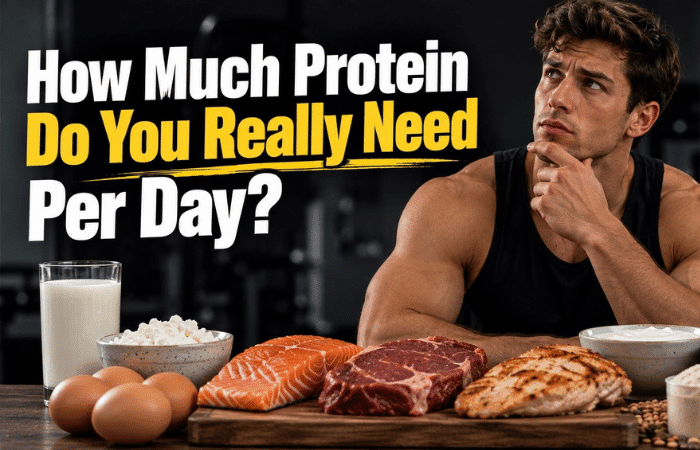
The best high-protein foods include lean meats and poultry, fish and seafood, eggs and dairy, beans and legumes, soy foods, and certain nuts, seeds, and grains. Whether you want to build muscle, lose fat, or simply eat more healthily, filling your diet with these foods makes it far easier to hit your protein target. This guide lists 40 of the best, organized by category, with their approximate protein content.
This article is informational and not a substitute for individual medical or dietary advice. Protein needs vary from person to person, and anyone with kidney disease or other medical conditions should consult a doctor before significantly increasing their protein intake.
Why Protein Matters
Protein is an essential nutrient that your body uses to build and repair muscle, produce enzymes and hormones, support your immune system, and keep you feeling full. Of the three macronutrients, it is the most important for anyone trying to build muscle or lose fat, because it preserves and builds lean tissue and is the most satisfying to eat, helping to control appetite.
Getting enough protein is one of the simplest, highest-impact changes most people can make to their diet. It supports recovery from training, makes fat loss easier by keeping hunger at bay, and helps maintain muscle and strength as you age. The foods below make reaching your daily target both easy and enjoyable.
How Much Protein Do You Need?
Most active people aiming to build muscle or lose fat should eat around 1.6 to 2.2 grams of protein per kilogram of bodyweight per day, while the general minimum for health is about 0.8 grams per kilogram. For an 80 kg person training regularly, that works out to roughly 130 to 175 grams of protein daily.
The easiest way to hit that target is to include a good source of protein in every meal and snack. If you find it hard to reach it through food alone, a protein shake can help top up your intake, as covered in our guide on how many protein shakes a day. Now, on to the foods, but feel free first to calculate how much protein you need before we proceed.
Quick Protein Calculator
Estimate your daily protein target in seconds.
Your daily protein target
0–0 g/day
This is an estimate for healthy adults, not medical advice. Spread your protein across the day, and see the food list below for easy ways to hit your target.
Lean Meats and Poultry
Lean meats and poultry are among the richest and most complete sources of protein available, delivering a large amount per serving with all the essential amino acids. They are staples of most muscle-building diets for good reason.
| Food | Typical serving | Protein (approx.) |
|---|---|---|
| Chicken breast | 100 g, cooked | 31 g |
| Turkey breast | 100 g, cooked | 29 g |
| Lean beef (sirloin) | 100 g, cooked | 27 g |
| Bison | 100 g, cooked | 28 g |
| Pork tenderloin | 100 g, cooked | 26 g |
Chicken breast is the classic choice, being extremely lean and versatile, but lean red meats like sirloin and bison also bring iron and other nutrients. Choose leaner cuts to keep the calories in check while maximising the protein.
Fish and Seafood
Fish and seafood are excellent high-protein foods that also provide beneficial nutrients like omega-3 fatty acids, iodine, and vitamin D. They are lean, filling, and quick to prepare.
| Food | Typical serving | Protein (approx.) |
|---|---|---|
| Tuna (canned in water) | 100 g | 28 g |
| Salmon | 100 g, cooked | 25 g |
| Sardines | 100 g (about one tin) | 25 g |
| Shrimp / prawns | 100 g, cooked | 24 g |
| Cod | 100 g, cooked | 23 g |
Oily fish like salmon and sardines deliver heart-healthy omega-3s alongside their protein, while canned tuna is one of the most convenient, affordable, high-protein foods you can keep in the cupboard. Aim to include fish in your diet a couple of times a week.
Eggs and Dairy
Eggs and dairy are affordable, versatile, high-protein foods that also supply calcium, vitamins, and, in the case of eggs, one of the highest-quality proteins in existence. They suit almost any meal or snack.
| Food | Typical serving | Protein (approx.) |
|---|---|---|
| Greek yogurt (plain, low-fat) | 170 g pot | 17 g |
| Cottage cheese | 1 cup (about 220 g) | 24 g |
| Skyr | 150 g pot | 15 g |
| Whole egg | 1 large egg | 6 g |
| Egg whites | 1 white | 3.6 g |
| Milk | 1 cup (240 ml) | 8 g |
| Cheddar cheese | 30 g | 7 g |
Greek yogurt, skyr, and cottage cheese are standout choices, packing a lot of protein into a low-calorie, satisfying package that's perfect for snacks or breakfast. Eggs are a nutritional powerhouse, and egg whites offer pure, fat-free protein, as we explore in our guides on egg whites and drinking egg whites.
Beans and Legumes
Beans and legumes are among the best plant-based sources of protein, and they come loaded with fibre, which most people don't get enough of. They are cheap, filling, and hugely versatile.
| Food | Typical serving | Protein (approx.) |
|---|---|---|
| Lentils | 1 cup, cooked | 18 g |
| Chickpeas | 1 cup, cooked | 15 g |
| Black beans | 1 cup, cooked | 15 g |
| Kidney beans | 1 cup, cooked | 15 g |
| Green peas | 1 cup, cooked | 8 g |
Lentils lead the way here, offering nearly 18 grams of protein per cooked cup along with plenty of fibre and iron. Beans and legumes are an ideal foundation for vegetarian and vegan diets, and a great way for anyone to add protein and fibre affordably.
Soy Foods and Meat Alternatives
Soy foods are the standout plant proteins because they provide complete protein, containing all nine essential amino acids, something most plant foods lack. They are indispensable for vegetarian and vegan muscle-building.
| Food | Typical serving | Protein (approx.) |
|---|---|---|
| Seitan | 100 g | 25 g |
| Tempeh | 100 g | 19 g |
| Tofu (firm) | 100 g | 15 g |
| Edamame | 1 cup, cooked | 18 g |
| Soy milk | 1 cup (240 ml) | 7 g |
Tempeh and tofu are excellent, adaptable staples, edamame makes a great high-protein snack, and seitan (made from wheat gluten) is exceptionally protein-dense, though it isn't suitable for anyone avoiding gluten. Together, these foods make it entirely possible to build muscle on a plant-based diet.
Nuts and Seeds
Nuts and seeds provide a useful protein boost along with healthy fats, fibre, and micronutrients, making them great for snacks and toppings. Bear in mind they are calorie-dense, so portion sizes matter.
| Food | Typical serving | Protein (approx.) |
|---|---|---|
| Hemp seeds | 3 tbsp (30 g) | 10 g |
| Pumpkin seeds | 30 g | 9 g |
| Peanuts | 30 g | 7 g |
| Peanut butter | 2 tbsp (32 g) | 8 g |
| Almonds | 30 g | 6 g |
| Chia seeds | 2 tbsp (28 g) | 5 g |
Hemp seeds and pumpkin seeds are particularly protein-rich and easy to sprinkle over yogurt, oats, or salads. While nuts and seeds shouldn't be your main protein source (their calories add up quickly), they're a valuable, nutrient-dense addition to a balanced diet.
Whole Grains
Certain whole grains contribute a surprising amount of protein alongside their carbohydrates and fibre, making them a smart choice for your base carbs. Quinoa is the star, as it's one of the few plant foods offering complete protein.
| Food | Typical serving | Protein (approx.) |
|---|---|---|
| Oats | 40 g, dry | 5 g |
| Quinoa | 1 cup, cooked | 8 g |
| Buckwheat | 1 cup, cooked | 6 g |
| Whole-grain bread | 1 slice | 4 g |
Swapping refined grains for these whole-grain options is an easy way to add extra protein and fibre to your meals without any real effort. Quinoa in particular makes an excellent high-protein base for bowls and salads.
Protein Supplements
Protein powders are a convenient, concentrated way to boost your intake, especially useful when you're busy or struggle to hit your target through food alone. They aren't essential, but they are practical.
| Food | Typical serving | Protein (approx.) |
|---|---|---|
| Whey protein | 1 scoop (about 30 g) | 24 g |
| Casein protein | 1 scoop (about 30 g) | 24 g |
| Plant-based protein powder | 1 scoop (about 30 g) | 20 to 25 g |
Whey is fast-digesting and ideal around workouts, casein is slower-digesting and good before bed, and plant-based blends are excellent for those avoiding dairy. For ideas on how to prepare them, see our guide on what to mix protein powder with. Remember, though, that supplements should top up a good diet, not replace whole foods.
| Protein source | Protein density | Complete protein? | Best suited to | Standout benefit |
|---|---|---|---|---|
| Lean meat & poultry | Very high | Yes | Omnivores | Very lean, rich in iron & B12 |
| Fish & seafood | High | Yes | Omnivores, pescatarians | Omega-3s, vitamin D & iodine |
| Eggs | Moderate | Yes | Vegetarians | Cheap, highest-quality protein |
| Dairy (yogurt, cottage cheese) | Moderate to high | Yes | Vegetarians | Calcium plus convenience |
| Beans & legumes | Moderate | No | Vegans, vegetarians | High in fibre, very affordable |
| Soy (tofu, tempeh, edamame) | High | Yes | Vegans, vegetarians | The complete plant protein |
| Seitan | Very high | No | Vegans (not gluten-free) | Most protein-dense plant option |
| Nuts & seeds | Moderate | No | All diets | Healthy fats (calorie-dense) |
| Whole grains | Lower | Mostly no* | All diets | Adds protein to your carbs |
| Protein powder | Very high | Usually yes | All diets (whey or plant) | Fast, convenient top-up |
*Quinoa is a complete plant protein; most other grains are not. "Complete" means a food contains all nine essential amino acids.
Complete vs Incomplete Proteins
A complete protein contains all nine essential amino acids your body can't make itself, and most animal proteins are complete, while most plant proteins are not. This is worth knowing, but it isn't a problem to work around if you eat varied plant foods.
Animal foods like meat, fish, eggs, and dairy are all complete proteins. Among plants, soy, quinoa, and hemp are complete, while most beans, grains, nuts, and seeds are missing one or more amino acids. The simple solution for plant-based eaters is to eat a variety of protein sources across the day, for example beans with rice, which together provide all the essential amino acids. As long as your overall diet is varied, getting complete protein from plants is entirely achievable.
How to Eat More Protein
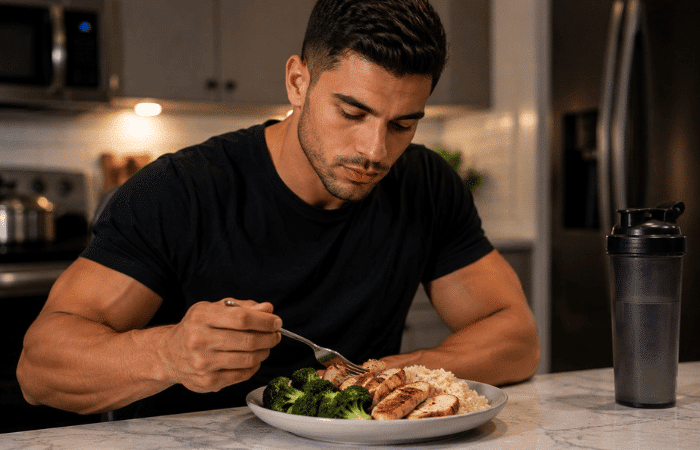
The easiest way to eat more protein is to build every meal around a protein source and keep high-protein snacks on hand. A few simple habits make a big difference:
- Start with protein. Plan each meal around its protein source (meat, fish, eggs, dairy, or legumes), then add your carbs and vegetables around it.
- Spread it through the day. Aim for roughly 20 to 40 grams of protein per meal rather than loading it all into one sitting.
- Keep convenient options ready. Greek yogurt, cottage cheese, tinned tuna, edamame, and protein powder make quick, high-protein snacks.
- Upgrade your swaps. Choose Greek yogurt over regular, add beans to meals, and pick higher-protein grains like quinoa.
For more on structuring your nutrition around your goals, see our guides on bulking vs cutting and clean bulking, and on using protein to build muscle in our guide on how to build muscle.
High-Protein Foods for Vegetarians and Vegans
Vegetarians and vegans can easily meet their protein needs by building their diet around soy foods, legumes, whole grains, nuts, and seeds. Soy foods like tofu, tempeh, and edamame, along with seitan, lentils, beans, and quinoa, are the cornerstones of a high-protein plant-based diet, and plant protein powders make topping up simple. By eating a variety of these across the day, plant-based eaters can comfortably hit even the higher protein targets needed to build muscle.
Frequently Asked Questions
What foods are highest in protein?
The foods highest in protein are lean meats and poultry (like chicken and turkey breast, at around 30 grams per 100 grams), fish and seafood, and eggs and dairy. Among plant foods, seitan, tempeh, tofu, and lentils are the richest. Protein powders are also very concentrated, offering around 24 grams per scoop.
What is the best high-protein food for building muscle?
Lean chicken breast, fish, eggs, Greek yogurt, and lean beef are among the best high-protein foods for building muscle, as they're rich in complete protein with all the essential amino acids. For plant-based eaters, tofu, tempeh, seitan, and lentils are excellent choices. Variety across these foods works best.
What are good high-protein foods for vegetarians and vegans?
Great high-protein foods for vegetarians and vegans include tofu, tempeh, edamame, seitan, lentils, chickpeas, beans, quinoa, hemp seeds, and plant-based protein powders. Soy foods and quinoa are especially valuable because they provide complete protein containing all essential amino acids.
How can I eat more protein?
Eat more protein by building every meal around a protein source, spreading your intake across the day (aiming for 20 to 40 grams per meal), and keeping convenient high-protein snacks like Greek yogurt, tinned tuna, and edamame on hand. A protein shake can help fill any gaps.
Can you get enough protein without eating meat?
Yes, you can easily get enough protein without meat by eating a variety of eggs, dairy, soy foods, legumes, whole grains, nuts, and seeds. Plant-based eaters simply need to include a range of protein sources across the day to obtain all the essential amino acids, which is straightforward with foods like soy, beans, grains, and seeds.
The Bottom Line
Hitting your protein target is one of the most effective things you can do for building muscle, losing fat, and staying healthy, and it comes down to filling your diet with the right foods. Lean meats, fish, eggs, dairy, beans, soy, nuts, seeds, and certain grains all make it easy and enjoyable to get the protein you need, whether you eat meat or follow a plant-based diet.
Use this list of 40 high-protein foods to add more variety and protein to your meals. Build each meal around a good protein source, mix up your choices to keep things interesting, and you will find hitting even a high protein target is simpler than you think, and your results will follow.

I'm Tomek, your dedicated fitness coach at TheGymGoat. With years of experience as a certified personal trainer, fitness blogger and a passion for empowering individuals, I'm committed to helping you reach your health and wellness goals. I don't do excuses, I make priorities and always base my workout and diet on reserach.
All articles by Tomek →