





ON THIS PAGE
You’ve dug an old tub of creatine out of the back of the cupboard, spotted a date that’s come and gone, and now you’re wondering: is this still good, or is it bin material? It’s a common question, and the good news is that creatine is one of the most stable supplements you can own.
Here’s the honest answer: yes, creatine technically expires, but that printed date is far more conservative than most people realise, and expired creatine is a question of potency, not safety. Let’s break down exactly what the date means, how long creatine really lasts, and when you should actually throw it out.
This article is informational and not a substitute for individual medical or dietary advice.
Does Creatine Expire? The Short Answer
Yes, creatine carries an expiration or best-before date, usually around two to three years from manufacture. But creatine monohydrate, the most common and well-studied form, is remarkably stable and often remains effective for a year or two, sometimes several years, beyond that printed date when stored properly.
Crucially, that date is about quality and potency, not safety. Expired creatine won’t make you sick. At worst, very old or badly stored creatine simply becomes slightly less potent. So there’s rarely any need to panic and toss a tub just because the date has passed.
What “Expired” Actually Means for Creatine
To understand why, it helps to know what happens as creatine ages. Over time, and especially when exposed to moisture, creatine slowly converts into a compound called creatinine.
Here’s the reassuring part: creatinine is not toxic or foreign to your body. It’s a natural waste product your body already produces and excretes every single day. So when creatine degrades, it doesn’t turn into something harmful, it just turns into a substance with no performance benefit. The practical result is that heavily degraded creatine gives you a bit less usable creatine per scoop, not a health risk. This is degradation, not danger.
That’s a key distinction. Unlike foods that can genuinely spoil and make you ill, pure creatine monohydrate powder doesn’t go “bad” in that sense.
Is It Safe to Take Expired Creatine?
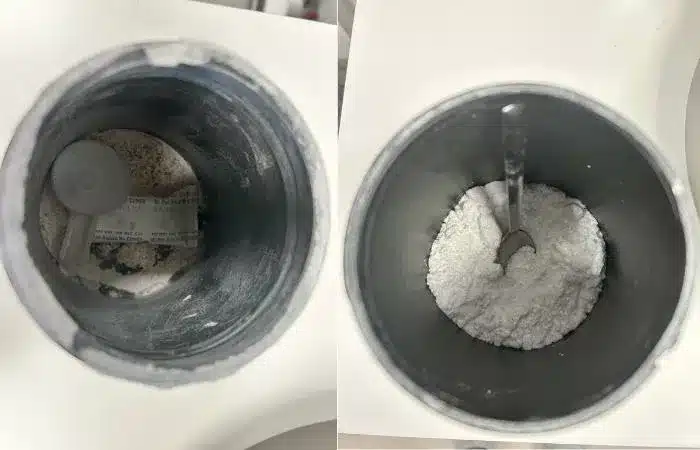
For creatine monohydrate stored properly, yes, it’s generally safe to take past its printed date. Stability testing backs this up: high-purity creatine has shown little to no degradation even after three years, and even when stored at warm temperatures. If your creatine is a fine white powder, smells normal, and mixes as usual, it’s very likely fine to use, even if the date has passed.
The main thing you’d be sacrificing with very old creatine is a little effectiveness, not your safety. And since creatine works by building up in your muscles over time, a slight dip in potency simply means being consistent with your daily dose, as we explain in our guide on how long it takes for creatine to work.
The Real Enemy Isn’t Time, It’s Moisture
Here’s the most useful thing to understand: creatine’s shelf life is affected far more by how it’s stored than by the calendar. Moisture is what accelerates the breakdown into creatinine and causes problems. A tub kept cool, dry, and sealed can outlast its date comfortably, while one repeatedly exposed to humidity or damp can degrade faster.
This is why creatine tubs almost always say “store in a cool, dry place.” Follow that, and time is rarely the issue.
How to Store Creatine Properly
To get the longest usable life out of your creatine:
- Keep it cool and dry. A pantry or cupboard at room temperature is ideal. Avoid humid spots like a bathroom or a sweaty gym bag.
- Keep it sealed. Close the lid tightly after every use to keep moisture out.
- Use a dry scoop. Never dip a wet scoop into the tub, as introducing water speeds up degradation and clumping.
- Avoid heat and damp. Short-term warmth is usually fine, but prolonged humidity is what does the damage.
Is Clumpy Creatine Still Good?
Often, yes. Clumping usually just means your creatine has been exposed to a little moisture, and clumpy creatine is generally still safe and potent enough to use. It’s not automatically a sign that the product has expired or gone off.
That said, significant moisture exposure can reduce potency over time, so persistent clumping is a hint to be a bit more careful with storage. Break up the clumps, and if it otherwise looks and smells normal, it’s typically fine.

When You Should Actually Throw Creatine Out
Genuine reasons to discard creatine are rare, but bin it if you notice:
- A strong, off, fishy, or ammonia-like odour.
- Discolouration, such as a yellow tint rather than clean white.
- An unusual or sour taste.
- It’s been left open and exposed to water or damp for a long time.
These changes can indicate contamination, which is uncommon and generally only happens when creatine has been left open and wet for an extended period. When in doubt, remember that creatine is inexpensive, so replacing a questionable tub is cheap peace of mind.
Does the Type of Creatine Matter?
Yes. Creatine monohydrate is the most stable and shelf-stable form, which is one more reason it’s the gold standard. Other forms, such as creatine ethyl ester, creatine salts, and especially liquid creatine, tend to degrade faster and have shorter shelf lives.
Liquid or pre-dissolved creatine is the least stable of all, which is exactly why you should mix your creatine fresh and drink it, rather than mixing a batch and leaving it sitting for days. For the best ways to take it, see our guide on what to mix creatine and protein with.
Frequently Asked Questions
Does creatine expire? Yes, it has a best-before date, usually two to three years from manufacture. But creatine monohydrate is very stable and often remains effective for a year or two, or longer, beyond that date when stored in a cool, dry place.
Is it safe to take expired creatine? Generally, yes. Expired creatine monohydrate isn’t dangerous. Over time it slowly converts to creatinine, a harmless waste product, which reduces potency but doesn’t make it unsafe. Discard it only if it smells off, is discoloured, or tastes strange.
Will expired creatine still work? Most likely, especially if stored well. It may lose a little potency over a long time, but properly stored creatine monohydrate typically stays effective well past its printed date.
Why has my creatine gone clumpy? Clumping is usually caused by moisture exposure, not expiry. Clumpy creatine is generally still safe and effective to use. Just keep it sealed and use a dry scoop to prevent it.
How should I store creatine? In a cool, dry, sealed container away from humidity and heat. A cupboard or pantry is perfect. Always use a dry scoop, and keep the lid tightly closed.
How long does creatine last once opened? If protected from moisture, opened creatine can remain good for a year or two or more. The key isn’t how long it’s been open, but whether it’s been kept dry.
The Bottom Line
Creatine is one of the most durable supplements out there. It technically expires, but that date is about guaranteed potency rather than safety, and creatine monohydrate routinely stays effective well beyond it when stored properly. Even significantly degraded creatine won’t harm you, it simply converts into a harmless waste product and loses a little potency.
So don’t stress over a passed date. Keep your creatine cool, dry, and sealed, use a dry scoop, and trust your senses: if it’s white, odourless, and mixes normally, it’s good to go. Only bin it if it smells off, changes colour, or has clearly been left damp. Do that, and you’ll get every scoop’s worth out of every tub.

I'm Tomek, your dedicated fitness coach at TheGymGoat. With years of experience as a certified personal trainer, fitness blogger and a passion for empowering individuals, I'm committed to helping you reach your health and wellness goals. I don't do excuses, I make priorities and always base my workout and diet on reserach.
All articles by Tomek →