




ON THIS PAGE
The leg press is one of the best machines for building strong, muscular legs, but most people jump on, throw their feet somewhere in the middle, and push. What they don’t realize is that where you place your feet on the platform dramatically changes which muscles do the work. Master your foot placement, and you can turn a single machine into a tool for targeting your quads, glutes, hamstrings, or inner thighs, all while keeping your knees safe.
Here’s exactly how leg press foot placement works, and how to position your feet for whatever you want to achieve.
This article is informational and not a substitute for individual medical or training advice.
Why Foot Placement Matters: It’s All About Hip vs Knee
Here’s the principle that explains everything. Every leg press rep involves two joint actions happening together: your knees bending and straightening, and your hips bending and straightening. Where you place your feet shifts the balance between these two, and that’s what changes the muscles worked.
- Placing your feet HIGH on the platform increases the hip movement and reduces how far your knees bend. Since the glutes and hamstrings drive hip extension, a high position emphasises them, and because your knees bend less, it also reduces knee stress.
- Placing your feet LOW on the platform increases how far your knees bend and reduces hip movement. Since the quads drive knee extension, a low position emphasises them, but the deeper knee bend also places more stress on the knees.
Stance width then fine-tunes things further: a wider stance brings in the inner thighs and glutes, while a narrow stance hammers the outer quads. It’s worth being honest here, though: the leg press is a quad-dominant exercise no matter what, so foot placement shifts the emphasis rather than completely isolating a muscle. Still, those shifts are significant and genuinely useful.
Leg Press Foot Placements at a Glance
| Foot position | Muscles emphasised | Notes |
|---|---|---|
| Standard (shoulder-width, centre) | Quads, with glutes and hamstrings | Balanced, safe default |
| High on platform | Glutes and hamstrings | Knee-friendly, more hip drive |
| Low on platform | Quads | More knee stress, use caution |
| Wide + toes out | Inner thighs (adductors) and glutes | Also aids hip mobility |
| Narrow | Outer quads (the “sweep”) | Most quad-dominant |
| Single-leg | One leg at a time | Exposes and fixes imbalances |
| Balls of feet, low edge | Calves | For calf raises |
Foot Placement For Leg Press:
Standard (Shoulder-Width, Centre)
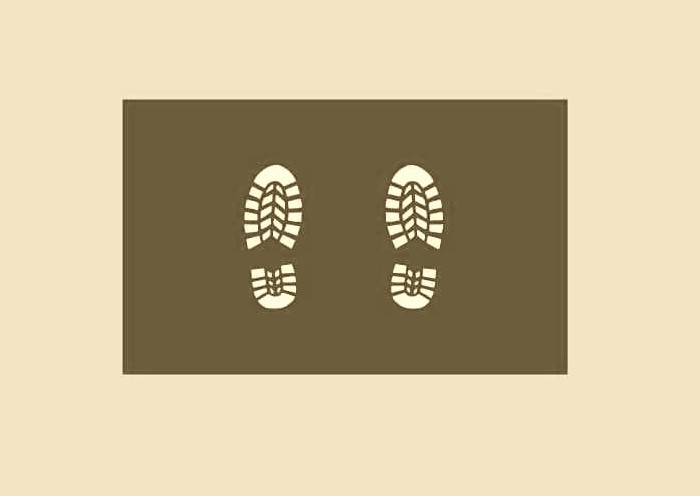
The default and the best all-rounder. With your feet shoulder-width apart in the middle of the platform, you get balanced, quad-focused development with secondary work for the glutes and hamstrings. This is the safest, most stable option and the ideal starting point for beginners or anyone after overall leg development.
How to set up: place your feet shoulder-width apart in the centre of the platform, toes pointing straight ahead or turned very slightly out.
Cue: this is your reference point. Master it before experimenting with the variations below.
Low Feet (Quads)
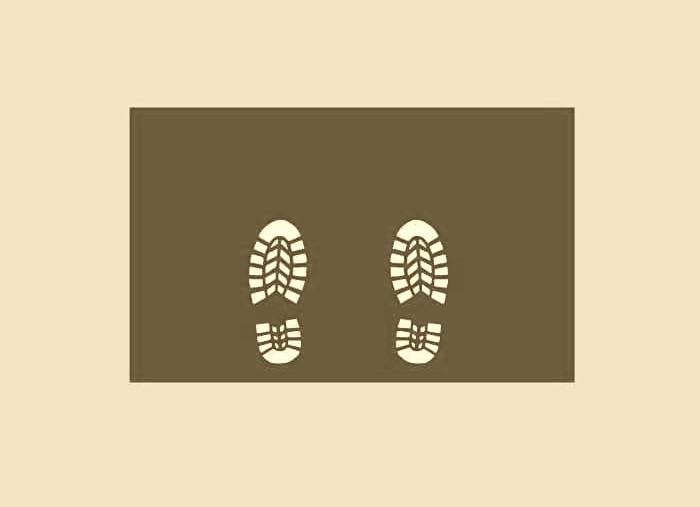
Positioning your feet toward the bottom of the platform increases knee flexion, driving greater quad activation for building bigger, stronger thighs. It’s highly effective, but the deeper knee bend places more stress on the knee joint, so approach it with care.
How to set up: place your feet lower on the platform, roughly shoulder-width, keeping your heels down.
Caution: avoid an extreme low position if you have any knee issues, and never let your heels lift off the platform, which shifts stress dangerously onto the knees.
Narrow Stance (Outer Quads)
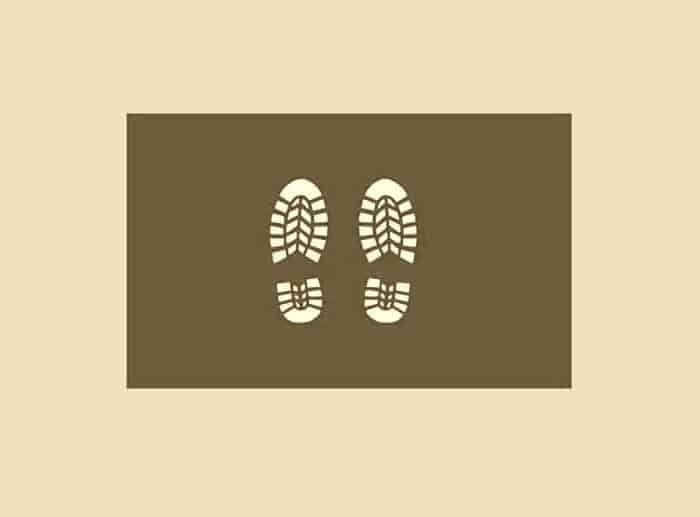
Bringing your feet close together, around hip-width or narrower, is the most quad-dominant placement, biasing the outer sweep of the quads (the vastus lateralis) and letting you feel real tension in the front of your thighs. Because the range of motion is slightly limited, many people can also lift a little more here.
How to set up: place your feet close together in the centre or slightly low, toes forward.
Cue: keep the movement controlled and your knees tracking in line with your feet.
High Feet (Glutes and Hamstrings)
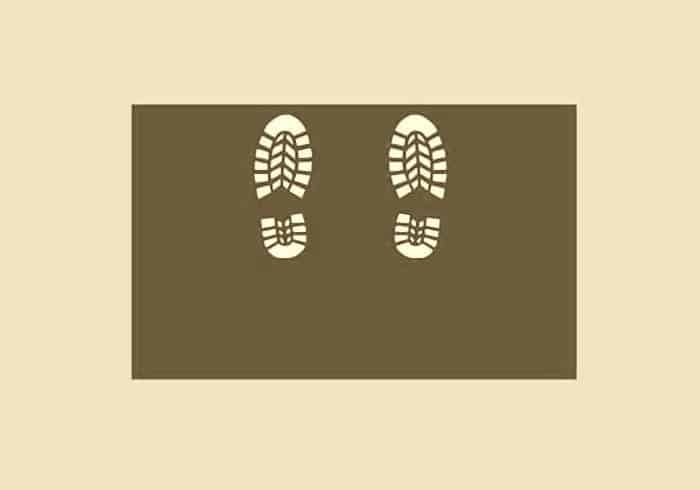
Sliding your feet toward the top of the platform increases hip involvement and reduces knee flexion, shifting the load onto your glutes and hamstrings. It’s the go-to placement for building the posterior chain, and because it’s gentler on the knees, it’s an excellent option for anyone with knee sensitivity. It’s a natural fit for glute-focused training, as covered in our guide on how to get a bigger butt.
How to set up: place your feet higher up the platform, around shoulder-width, so your shins are more vertical at the bottom of the rep.
Cue: keep your lower back pressed into the pad, don’t let your hips curl up off the seat as you lower, which is the most common mistake here.
Wide Stance with Toes Out (Inner Thighs and Glutes)
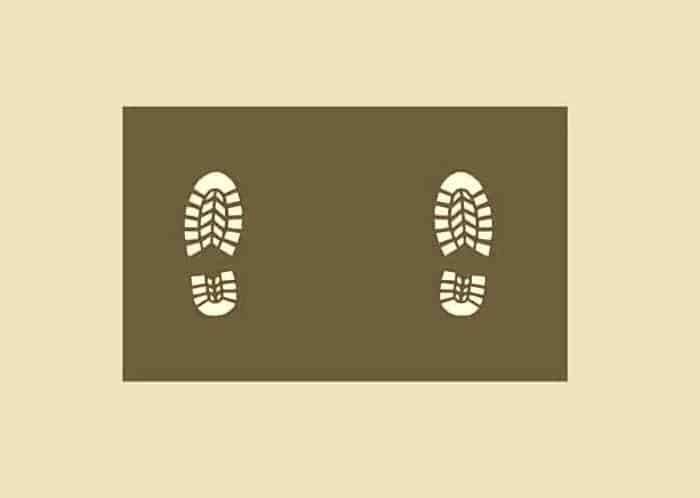
Taking a wide stance with your toes pointed slightly outward brings your inner thigh muscles (the adductors) and glutes more into play, alongside balanced quad work. Over time it can also help improve hip mobility.
How to set up: place your feet wider than shoulder-width, around the middle of the platform, with your toes turned out slightly.
Cue: track your knees out over your toes as you lower, don’t let them cave inward.
Externally Rotated Foot Placement
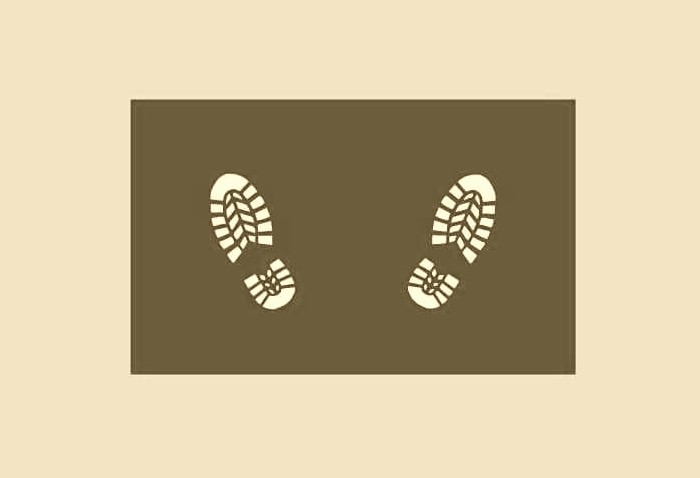
This stance is great for people with limited mobility or tight hips. It helps open up the hips more and works the outer quads and calves slightly better. To perform this variation of a leg press you will get yourself comfortable in the seat and place your feet flat on the platform shoulder width apart.
This time, however, you will rotate your feet so that your toes are pointing outwards as if they were pointing at 10 and 2 on an imaginary clock face. While this exercise doesn’t really offer much in terms of extra muscles being worked, it’s more comfortable for people with tight hips and groins and is considered just as effective by many.
Single-Leg (Fixing Imbalances)
Pressing with one leg at a time is a brilliant way to expose and correct strength imbalances between your legs, since your stronger side can’t compensate. It also increases the demand on each leg. This makes the leg press a great squat alternativefor unilateral training and a useful substitute in our alternatives to lunges guide.
How to set up: place one foot centrally on the platform, keep the other clear, and use a lighter weight than you would with both legs.
Cue: go lighter than you expect and focus on controlled, balanced reps.
Calf Raise Position (Calves)
By placing just the balls of your feet on the lower edge of the platform, you can turn the leg press into a calf exercise, pressing through your toes to work the calves. Note that because your legs are fairly extended, this leans toward the gastrocnemius; for the soleus you’d want a bent-knee movement, as we explain in our guide on seated calf raise alternatives.
How to set up: place the balls of your feet on the bottom edge of the platform with your heels hanging off, legs extended but knees soft.
Caution: this is a “be smart” variation, keep your feet secure, use the safety stops, and control the weight carefully.
Combining Height and Width
For even finer control, you can combine these variables. A high-and-wide stance feels especially glute-heavy, while a low-and-narrow stance is intensely quad-focused. Use the placements above as baselines, then experiment to find what works best for your body, your leverages, and the specific machine you’re using.
Safety and Form: The Non-Negotiables
Whatever placement you use, these rules keep you safe:
- Keep your lower back flat against the pad. The single most dangerous leg press mistake is letting your hips curl up and your lower back round at the bottom of the rep. This puts your spine at serious risk. Only lower as far as you can while keeping your back flat.
- Don’t lock your knees. Keep a slight bend at the top of each rep rather than snapping your knees straight.
- Control the range of motion. Lower under control to an appropriate depth for your mobility, then press smoothly. Don’t bounce.
- Choose your depth wisely. If a placement causes knee or back pain, adjust your foot position or reduce your range.
Which Placement Should You Choose?
- For overall legs: the standard, shoulder-width, centre position.
- For glutes and hamstrings (and happier knees): high feet.
- For quad size: low feet or a narrow stance.
- For inner thighs: a wide stance with toes out.
- For fixing imbalances: single-leg presses.
You don’t have to pick just one, rotating placements over time gives you well-rounded leg development. For help fitting the leg press into your routine, see our guides on the leg press and how many exercises per muscle group.
Frequently Asked Questions
Does foot placement on the leg press really matter? Yes. Where you place your feet changes the balance between hip and knee movement, which shifts the emphasis between your quads, glutes, hamstrings, and inner thighs. It’s one of the easiest ways to change what the leg press targets without changing the machine or weight.
Where do I put my feet on the leg press for glutes? Place your feet high on the platform. This increases hip extension and reduces knee bend, shifting the emphasis onto your glutes and hamstrings. A high-and-wide stance emphasises the glutes even more.
What foot placement works the quads most? A low or narrow foot placement maximises quad activation, since it increases knee flexion. Be cautious with very low placements if you have knee issues, as the deeper knee bend adds stress to the joint.
Is a high or low foot placement better for your knees? A higher foot placement is gentler on the knees because it reduces how far they bend. A low placement increases knee flexion and stress, so those with knee concerns should generally favour a higher position.
Can you change which muscles the leg press works? To a degree, yes. Foot placement meaningfully shifts the emphasis between quads, glutes, hamstrings, and inner thighs, though the leg press remains quad-dominant overall. It shifts emphasis rather than fully isolating a single muscle.
The Bottom Line
Your foot placement is one of the most powerful and underused variables on the leg press. By understanding the simple principle behind it, higher feet mean more hip and glute work, lower feet mean more knee and quad work, and stance width biases inner versus outer, you can tailor the machine to hit exactly the muscles you want.
Start from the standard position, experiment with the variations to target your goals, and above all keep your lower back flat and your knees safe. Do that, and the humble leg press becomes one of the most versatile leg-building tools in the gym.Watching the strongest men in the world leg press a car was a true spectacle.
While we don’t recommend you leg press a car, we do recommend you leg press regularly, as the benefits are there for all to see.

Reda El Is a CSCS trainer, Registered Dietitian, ACE-certified nutritionist, With more than 12 years of experience, also he's a Brazilian Jiu-Jitsu competitor, he has done many articles and information sources on many authority sites, such as lifehack.org, Healthline, eat this, wealthygorilla.com, and more. He always keeps improving and updating his knowledge to help everyone to achieve their goals.
All articles by Reda Elmardi →