





ON THIS PAGE
Dumbbells seem indestructible, solid lumps of metal built to be lifted, dropped, and abused. But if you’ve ever slammed a set down after a heavy lift or bought a cheap adjustable pair, you might have wondered: do dumbbells actually break? The answer, like most things in fitness, depends. Some dumbbells are practically unbreakable, while others are far more fragile than you’d think.
Here’s an honest guide to whether dumbbells break, which types are most durable, and how to make yours last a lifetime.
This article is informational and not a substitute for individual advice.
The Short Answer
Yes, dumbbells can break, but it depends heavily on the type and how you treat them. Solid cast iron and steel dumbbells are extremely durable and almost never break under normal use. Coated, cement-filled, and especially adjustable dumbbells are more vulnerable and can crack or fail, particularly if they’re dropped.
Across every type, one thing causes the most damage by far: dropping and slamming them. Treat your dumbbells with a bit of care and most will outlast you; abuse them, and even good ones can eventually give out.
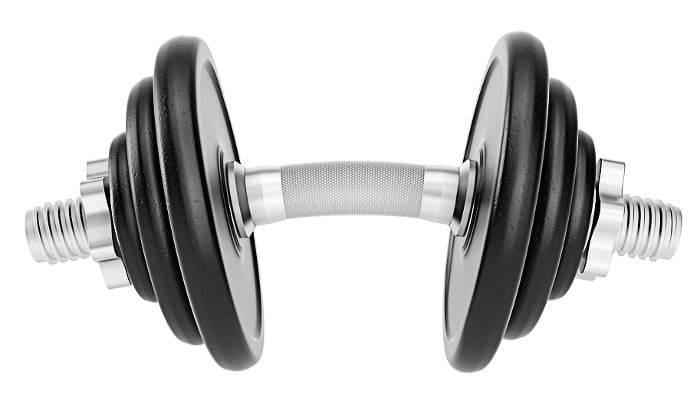
Dumbbell Durability by Type
Solid Cast Iron and Steel Dumbbells
These are the gold standard for durability. Fixed dumbbells made of solid cast iron or thick steel, like the classic hex dumbbells you see in most gyms, are about as close to unbreakable as fitness equipment gets. The solid metal has no moving parts or hollow shells to fail, so under normal use it essentially lasts forever. The worst that typically happens is chipped paint or a little surface rust over the years, cosmetic issues rather than actual breakage. If durability is your priority, solid metal is the way to go.
Rubber and Urethane-Coated Dumbbells
These have a durable metal core wrapped in a protective coating, and while the core rarely fails, the coating can. Over time, and especially with repeated dropping, rubber coatings can crack, peel, tear, or degrade. The dumbbell still functions, but it looks worn and can shed bits of rubber. Here’s a useful tip: if you’re buying coated dumbbells, look for urethane rather than rubber, as urethane is tougher and handles impact far better, lasting considerably longer.
Vinyl, Neoprene, and Cement-Filled Dumbbells
These are often the smaller, colourful dumbbells aimed at home users, and they’re the least durable. Their outer shells frequently aren’t strong enough to protect what’s inside, so the vinyl or neoprene coating tends to tear and peel. Worse, many are filled with cement or sand rather than solid metal, which means that if the shell cracks from a drop, the filler can leak out and the dumbbell is ruined. They’re fine for light, careful use, but they won’t withstand much punishment.
Adjustable Dumbbells
Adjustable dumbbells, the space-saving kind with selector dials or pins like PowerBlock and Bowflex, are the most prone to breaking, and for a clear reason: they have many moving parts. Selector mechanisms, connecting rods, and plastic components all introduce points of failure that solid dumbbells simply don’t have. Cheaper models and those with lots of plastic are especially vulnerable, and dropping them can crack the plates or damage the selector mechanism, sometimes rendering them useless. Quality matters enormously here, reputable brands are far more durable, but even the best adjustable dumbbells should never be dropped. If you own a pair, treat them with real care.
Why Dumbbells Break: Dropping Is the Main Culprit
Regardless of type, the single biggest cause of broken dumbbells is dropping and slamming them. We’ve all seen the gym-goers who heave up a heavy lift and then crash the weights down to celebrate. It might look impressive, but it’s one of the fastest ways to wreck a set of dumbbells.
Slamming dumbbells onto a hard surface, particularly concrete or thin matting, creates tiny cracks and chips that often aren’t visible at first. Over weeks and months, that damage accumulates, and once a crack forms, each subsequent drop worsens it until the dumbbell eventually fails. This is exactly why gyms lay down thick rubber flooring: it protects the weights (and the floor) from impact. No matter how tough a dumbbell is, repeatedly dropping it onto a hard surface will damage it over time.
How to Prevent Your Dumbbells From Breaking
The good news is that keeping your dumbbells intact is easy:
- Don’t drop or slam them. Lower your dumbbells under control at the end of a set rather than dropping them. This alone prevents the vast majority of damage (and it’s safer and quieter too).
- Use rubber matting. Train on rubber gym flooring or mats to cushion any impacts and protect both your weights and your floor.
- Buy quality. Solid cast iron or urethane-coated dumbbells for fixed weights, and reputable brands for adjustables, are worth the investment in longevity.
- Maintain adjustable dumbbells. Inspect them regularly, keep the mechanisms clean, and make sure everything is locked and secure before lifting.
- Store them properly. Use a rack rather than leaving them where they can be knocked or stepped on.
Are Damaged Dumbbells Dangerous?
Yes, a damaged dumbbell can be a genuine safety hazard, which is why prevention matters beyond just protecting your investment. A cracked plate, a failing connecting rod on an adjustable dumbbell, or a loose plate can cause the weight to come apart mid-lift, potentially causing injury. Peeling coatings can also create trip hazards or sharp edges. Inspect your dumbbells periodically, especially adjustable ones, and stop using any that show cracks, looseness, or significant damage. When in doubt, replace them, it’s far cheaper than an injury.
Frequently Asked Questions
Do dumbbells break easily? Not usually. Solid cast iron and steel dumbbells are extremely durable and rarely break. However, cheaper coated, cement-filled, and adjustable dumbbells can break more easily, particularly if they’re dropped or slammed repeatedly.
Can you break dumbbells by dropping them? Yes. Dropping and slamming dumbbells is the leading cause of damage. It creates cracks and chips that worsen over time, and it can crack the plates or mechanisms of adjustable and cement-filled dumbbells. Lowering weights under control prevents this.
Are adjustable dumbbells less durable than regular ones? Generally, yes. Adjustable dumbbells have moving parts and plastic components that can fail, making them more prone to breaking than solid fixed dumbbells, especially if dropped. Buying a quality brand and handling them carefully greatly extends their life.
Which dumbbells are the most durable? Solid cast iron and thick steel dumbbells are the most durable, as they have no coatings or moving parts to fail. For coated dumbbells, urethane coatings outlast rubber ones. Solid metal is the most reliable long-term choice.
How long do dumbbells last? Solid metal dumbbells can last a lifetime with basic care. Coated and adjustable dumbbells last many years if treated well, but their lifespan shortens considerably if they’re regularly dropped or poorly maintained.
The Bottom Line
So, do dumbbells break? Solid cast iron and steel dumbbells almost never break under normal use, making them nearly indestructible, while coated, cement-filled, and adjustable dumbbells are more vulnerable, particularly to being dropped. Whatever type you own, dropping and slamming them is the fastest route to damage.
Treat your dumbbells with a little respect, lower them under control, train on rubber matting, buy quality, and maintain adjustable sets, and they’ll stay safe and functional for years to come. For more on the equipment you’ll find in the gym, see our guide to gym equipment names, and if you’re weighing up free weights versus bodyweight training, our calisthenics vs weights comparison can help.

Reda El Is a CSCS trainer, Registered Dietitian, ACE-certified nutritionist, With more than 12 years of experience, also he's a Brazilian Jiu-Jitsu competitor, he has done many articles and information sources on many authority sites, such as lifehack.org, Healthline, eat this, wealthygorilla.com, and more. He always keeps improving and updating his knowledge to help everyone to achieve their goals.
All articles by Reda Elmardi →