


ON THIS PAGE
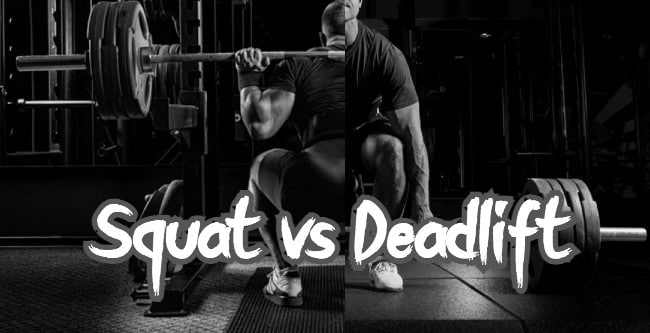
Ask around any gym whether the squat or the deadlift is truly king, and you’ll get as many answers as people you ask. Both are widely considered the two most important strength exercises ever devised, foundational movements that build serious full-body strength and muscle. But they build your body in fundamentally different ways, and understanding those differences is the key to using them well.
Here’s the honest truth up front: for most people, the real question isn’t “which is better?” It’s “which is better for my goals?”, and often, the answer is to do both. Let’s break down exactly how the squat and deadlift compare, what each is best for, and how to program them.
This article is informational and not a substitute for individual medical or training advice.
The Core Difference: Push vs Pull
The single most important distinction between these two lifts is their movement pattern. The squat is a knee-dominant push, while the deadlift is a hip-dominant pull. That one difference changes everything about which muscles do the work and how force travels through your body.
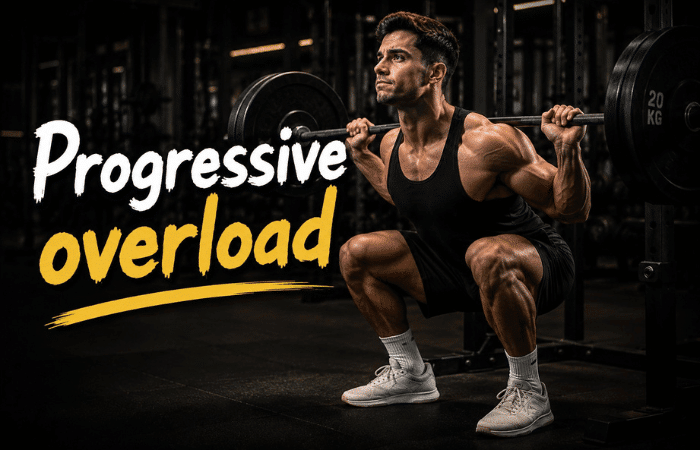
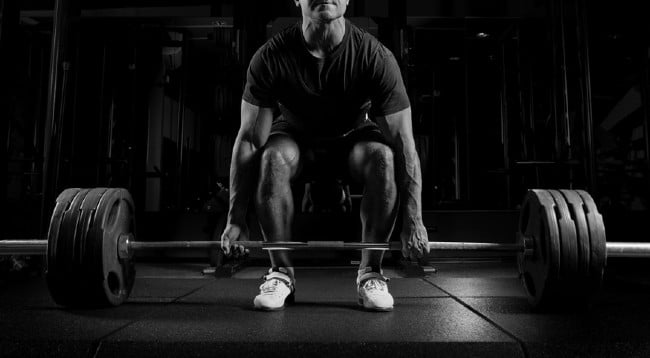
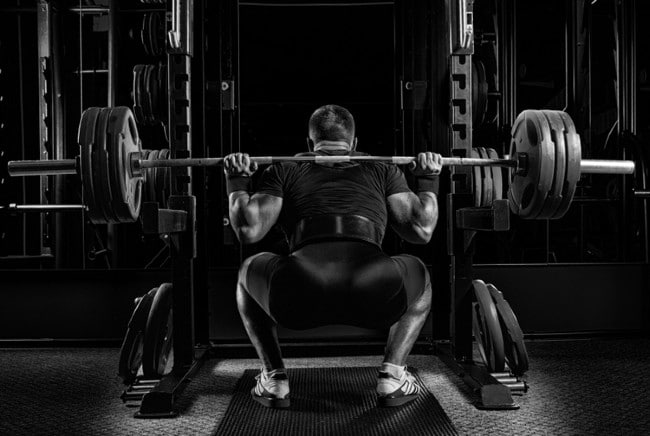
In a squat, your knees and hips bend together, your torso stays relatively upright, and the bar sits across your upper back, loading your spine from above as you lower your body between your feet and stand back up. In a deadlift, your hips hinge back much more than your knees bend, your torso leans forward, and you lift the bar from the floor with it hanging in your hands. Put simply, the squat is the best lower-body push and the deadlift is the best lower-body pull, and between them they train almost the entire lower body and trunk.
Muscles Worked
The squat is a quad-dominant movement. Your quadriceps do the majority of the work to straighten your knees, with strong support from your glutes, adductors (inner thighs), and core, which braces to keep you upright under the load.
The deadlift is a posterior chain movement, meaning it targets the muscles along the back of your body. It hammers your glutes, hamstrings, and the spinal erectors of your lower back, while also heavily recruiting your lats, traps, forearms, and grip to hold and control the bar. It’s arguably one of the most complete full-body strength exercises there is.
Together, they leave virtually no lower-body or trunk muscle undertrained, which is exactly why they complement each other so well.
Squat vs Deadlift at a Glance
| Squat | Deadlift | |
|---|---|---|
| Movement pattern | Knee-dominant push | Hip-dominant pull |
| Primary muscles | Quads, glutes, adductors | Glutes, hamstrings, lower back |
| Also works | Core | Lats, traps, forearms, grip |
| Bar position | On the upper back | In the hands, from the floor |
| Range of motion | Greater (knees, hips, ankles) | More hip-hinge focused |
| Typical load | Heavy | Usually the heaviest lift |
| Best for | Quad and leg development | Posterior chain and back strength |
Which Is Better For Your Goal?
For Leg and Quad Development
If bigger, stronger quads and overall leg development are your priority, the squat is the winner. Its knee-dominant pattern and deep range of motion place the quadriceps under enormous tension, making it one of the best exercises for building the front of your legs, alongside the glutes.
For Posterior Chain and Back Strength
If you want to build your glutes, hamstrings, and back, the deadlift takes the crown. As a pulling movement, it develops the entire posterior chain and adds serious strength and thickness to your back, traps, and grip in a way the squat simply doesn’t. For glute development specifically, it also pairs brilliantly with dedicated work like hip thrusts.
For Raw Strength
Both build tremendous strength, but the deadlift typically allows you to move the most weight of any lift. Most people can deadlift noticeably more than they squat, often 10 to 30 percent more, because the deadlift uses a shorter range of motion and leverages the powerful posterior chain from a strong position. If moving maximal weight is the goal, the deadlift usually claims the biggest numbers.
For Overall Muscle and Athleticism
Here’s where the “do both” answer really shines. Because they train opposite patterns, push and pull, using both develops complete, balanced lower-body and full-body strength and muscle. For overall athleticism, functional strength, and building a well-rounded physique, the two together are far greater than either alone.
For Beginners
Both are worth learning early, though beginners should prioritise mastering good form over lifting heavy. Many people find a squat variation slightly more approachable to learn first, but both belong in a beginner’s programme once technique is sound. Learning them under guidance is well worth it.
Which Is Harder and More Taxing?
While both are demanding, the deadlift tends to be more systemically fatiguing. Because it involves the heaviest loads and works so much muscle mass through the posterior chain, it places a greater toll on your entire body and nervous system, meaning it generally takes longer to recover from. This is why many programmes have you deadlift slightly less frequently than you squat. The squat, though extremely taxing in its own right, is often a little more forgiving to recover from and can typically be trained a bit more often.
Should You Do Both? (Almost Certainly Yes)
For the vast majority of people, the smartest approach is to include both the squat and the deadlift in your training. They aren’t rivals competing for a single spot, they’re complementary movements that together cover your entire lower body and much of your upper body. Nearly every well-designed strength programme features both for exactly this reason.
A common approach is to treat each as a primary lift on different training days, allowing enough recovery between heavy sessions, and to build your other leg and back exercises around them. Our guide on how many exercises per muscle groupcan help you structure a balanced week that includes both. The only time you might prioritise one over the other is if you’re genuinely short on time or have a specific goal or limitation, in which case you’d choose based on the priorities above.
A Note on Safety
Both lifts are safe and hugely beneficial when performed with good technique, but both demand respect. The deadlift in particular has an unfair reputation for being “bad for your back.” In reality, a deadlift performed with a braced core and a neutral (flat) spine actually strengthens your back and is one of the best things you can do for it, it’s poor form, like rounding the lower back under heavy load, that causes problems. Likewise, the squat requires good depth and control. If you’re new to either, learning proper technique, ideally with qualified coaching, is the best investment you can make.
Frequently Asked Questions
Is the squat or deadlift better? Neither is universally better, they excel at different things. The squat is best for quad and leg development, while the deadlift is best for the posterior chain, back, and moving maximal weight. For most people, doing both is the ideal approach.
Can I do both squats and deadlifts? Yes, and most people should. They’re complementary movements, a push and a pull, that together train your entire lower body and much of your upper body. Nearly every good strength programme includes both, with adequate recovery between heavy sessions.
Why can I deadlift more than I squat? Because the deadlift uses a shorter range of motion and leverages the powerful posterior chain from a mechanically strong position. Most lifters can deadlift around 10 to 30 percent more than they squat as a result.
Is the deadlift bad for your back? No, not when done correctly. Performed with a neutral spine and braced core, the deadlift actually strengthens your back. The risk comes from poor form, such as rounding your lower back under heavy load, so good technique is essential.
Which should a beginner start with? Both are valuable, but beginners should focus on learning good form before adding heavy weight. Many find a squat variation slightly easier to learn first, though both should feature in your programme once your technique is solid.
The Bottom Line
The squat versus deadlift debate has a refreshingly simple resolution: they’re both kings, and they rule over different territories. The squat is your best lower-body push, building strong quads and legs, while the deadlift is your best lower-body pull, developing a powerful posterior chain and back. Rather than pitting them against each other, the real winning move for most people is to master and use both.
Choose based on your goals if you must, quads lean toward the squat, posterior chain toward the deadlift, but if you can, include both, learn them well, and let these two foundational lifts build you a strong, balanced, capable body.

Reda El Is a CSCS trainer, Registered Dietitian, ACE-certified nutritionist, With more than 12 years of experience, also he's a Brazilian Jiu-Jitsu competitor, he has done many articles and information sources on many authority sites, such as lifehack.org, Healthline, eat this, wealthygorilla.com, and more. He always keeps improving and updating his knowledge to help everyone to achieve their goals.
All articles by Reda Elmardi →