



ON THIS PAGE
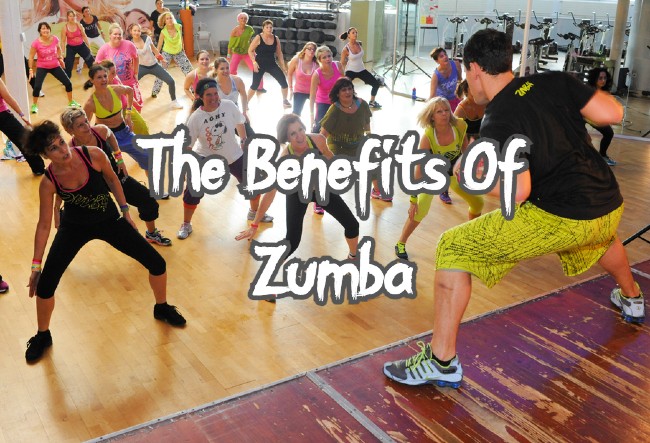
Zumba has taken the fitness world by storm, and it’s easy to see why. It takes the last thing many people associate with a workout, dancing to great music, and turns it into a genuinely effective full-body cardio session. For anyone who dreads the treadmill or finds the gym a chore, Zumba offers something rare: a workout that’s actually fun enough to look forward to.
Here’s a complete look at the real benefits of Zumba, an honest note on what it can and can’t do, and how to get started.
This article is informational and not a substitute for individual medical advice.
What Is Zumba?
Zumba is a dance-based fitness programme that blends upbeat Latin and international music with dance and aerobic moves. Created by Colombian dancer Beto Pérez in the 1990s, a typical class weaves together styles like salsa, merengue, reggaeton, and cumbia, mixing fast and slow songs to create a natural interval-style workout. It’s usually done in an instructor-led group class, and the emphasis is always on fun first.
That fun-first approach is what sets Zumba apart from other cardio classes. Where spinning is about high-intensity cycling and Pilates is about controlled core work, Zumba is about dancing your way fit, which makes it uniquely enjoyable and accessible.
The Key Benefits Of Zumba:
1. A Genuinely Effective Cardio Workout
Beneath the fun, Zumba is a real cardiovascular workout. The continuous dancing keeps your heart rate elevated, and because the music typically plays at an energetic tempo, it feels natural to keep moving briskly, making it surprisingly easy to reach your target heart rate. Over time, this strengthens your heart and lungs and builds endurance, with research finding that a 12-week Zumba programme lowered participants’ resting heart rate and blood pressure while improving their fitness. Like all good cardio, it’s excellent for your long-term heart health.
2. Burns Calories and Supports Weight Loss
Zumba is an effective calorie burner, which makes it a great tool for weight management. A typical class burns somewhere in the region of 300 to 600 calories depending on your size and how hard you work, and the interval structure of fast and slow songs keeps your energy expenditure high throughout. You’ll sometimes see wild claims of 900 or even 1,000 calories a class, but those are exaggerated for most people, so treat the more realistic range as your guide. Crucially, because Zumba is so enjoyable, many people happily burn those calories without it ever feeling like hard work. Combined with sensible eating, as covered in our bulking vs cutting guide, it’s a fun route to fat loss.
3. A Full-Body Workout
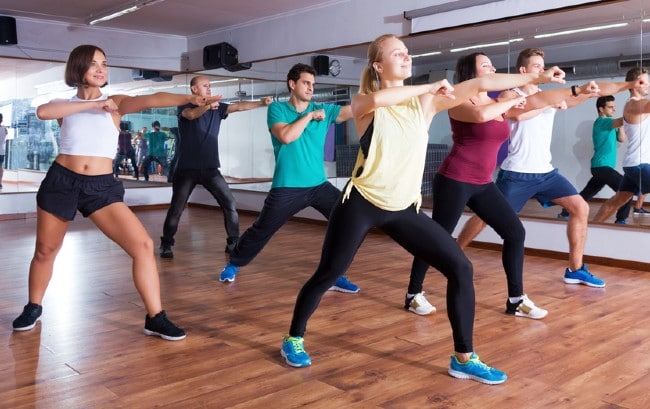
Zumba works far more of your body than you might expect. The footwork strengthens and tones your legs and calves, the arm movements engage your upper body, and the squats, hip movements, and core-driven choreography work your glutes and midsection. Rather than isolating one area, a Zumba class has you moving nearly every muscle in your body, which is part of what makes it such a well-rounded and efficient workout.
4. It’s Fun, So You’ll Actually Stick With It
This is Zumba’s secret weapon, and arguably its single greatest benefit. The best workout in the world is worthless if you dread it and quit, while a “less optimal” workout you genuinely enjoy and do consistently will transform your fitness. Zumba’s music, energy, and dance-party atmosphere make it feel less like exercise and more like a night out, which means people stick with it. For anyone who has repeatedly started and abandoned joyless gym routines, that enjoyment is genuinely life-changing.
5. Improves Coordination, Rhythm, and Balance
Following the choreography challenges your coordination, rhythm, and balance in a way that steady-state cardio simply doesn’t. As you learn to sync your movements to the music and the instructor, your body awareness and motor skills sharpen. This improved coordination and balance carries over into everyday life and becomes increasingly valuable as you age, helping to keep you steady and reduce the risk of falls.
6. Boosts Your Mood and Reduces Stress
Few workouts lift the spirits like Zumba. The combination of dancing, uplifting music, physical exertion, and group energy releases a flood of feel-good endorphins that leave you smiling. It’s a powerful stress-buster and mood-booster, and research has even linked Zumba programmes to improvements in quality of life and reductions in pain. For your mental wellbeing as much as your physical health, dancing it out is hard to beat.
7. Provides Social Connection
Because Zumba is a group activity, every class welcomes you into a social, supportive environment. The shared energy, encouragement, and sense of community are powerfully motivating, and the accountability of a regular class helps you show up when solo workouts might fall by the wayside. In an age where many people feel isolated, that social connection is a genuine benefit for both motivation and happiness.
8. Accessible to Almost Everyone
One of the best things about Zumba is that there’s no right or wrong way to do it. You simply move to the music and follow along as best you can, working at your own pace and intensity. It requires no equipment and no dance experience, suits all ages and fitness levels, and is refreshingly beginner-friendly. If the idea of a class feels intimidating at first, our guide on building your gym confidence may help you take that first step.
What Zumba Won’t Do
To keep expectations realistic, a couple of honest points are worth making:
- It isn’t strength training. Zumba builds cardio fitness and some muscular endurance, but it won’t build significant muscle or strengthen your bones the way resistance training does. For those benefits, pair your Zumba with some weight training.
- The intensity depends on your effort. You get out what you put in. Some classes and participants work far harder than others, so your results reflect how much energy you bring.
Think of Zumba as a superb, enjoyable cardio and wellbeing workout, best complemented by some strength work for a complete, balanced routine.
Getting Started With Zumba
Getting into Zumba couldn’t be easier. Find a beginner-friendly class at a local gym or studio, or try one of the many online videos at home. Wear comfortable clothes and supportive trainers, bring water, and go in with the right mindset: don’t worry about getting every step perfect, just move, follow along, and have fun. The steps click into place faster than you’d think, and the enjoyment starts immediately.
Frequently Asked Questions
Is Zumba a good workout for weight loss? Yes. Zumba burns a solid number of calories, around 300 to 600 per class, while providing a full-body cardio workout. Because it’s so enjoyable, people tend to stick with it, and combined with a sensible diet, it’s an effective and sustainable way to lose fat.
Does Zumba build muscle? Zumba builds cardiovascular fitness and some muscular endurance and tone, but it won’t build significant muscle size. For that, you’ll need dedicated strength training, which pairs well with Zumba for a balanced routine.
Is Zumba good for beginners? Absolutely. There’s no right or wrong way to do Zumba, so you can follow along at your own pace and intensity. It requires no dance experience or equipment and suits all ages and fitness levels, making it very beginner-friendly.
How many calories does Zumba burn? A typical class burns roughly 300 to 600 calories, depending on your body size and how intensely you move. Claims of 900 or more are generally exaggerated for the average person, so treat the lower range as realistic.
How often should I do Zumba? Two to three classes a week is a great target for most people, delivering strong cardio and mood benefits. Combine it with some strength training and rest days for a well-rounded, sustainable routine.
The Bottom Line
Zumba proves that getting fit doesn’t have to be a grind. It delivers a genuinely effective cardiovascular and full-body workout, burns calories, sharpens your coordination, lifts your mood, and connects you with others, all wrapped in a fun, music-filled dance party that you’ll actually want to attend. For many people, that enjoyment is the difference between a fitness habit that sticks and one that fizzles out.
Just remember to pair it with some strength training for complete, balanced fitness, and keep your calorie expectations realistic. Then find a class, let loose, and dance your way to better health. Few workouts make feeling good and getting fit so joyfully simple.

Reda El Is a CSCS trainer, Registered Dietitian, ACE-certified nutritionist, With more than 12 years of experience, also he's a Brazilian Jiu-Jitsu competitor, he has done many articles and information sources on many authority sites, such as lifehack.org, Healthline, eat this, wealthygorilla.com, and more. He always keeps improving and updating his knowledge to help everyone to achieve their goals.
All articles by Reda Elmardi →