



ON THIS PAGE
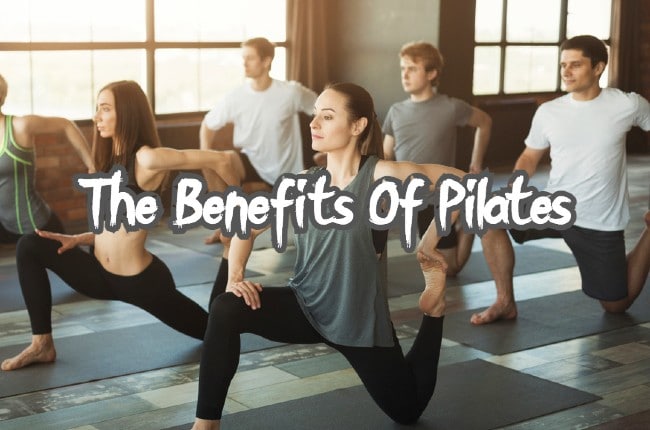
Pilates has quietly become one of the most popular forms of exercise in the world, and it’s easy to see why. This low-impact method builds a remarkably strong core, improves your posture and flexibility, and leaves you moving and feeling better, all while being gentle enough for almost anyone. Yet it’s also widely misunderstood, dismissed by some as “just stretching” or “only for women.” The reality is far more impressive.
Here’s a complete, honest look at the real benefits of Pilates, what it can and can’t do, and who it’s for.
This article is informational and not a substitute for individual medical advice.
What Is Pilates?
Pilates is a low-impact exercise method focused on controlled, precise movements that build strength, flexibility, and body awareness, with a particular emphasis on the core. Developed by Joseph Pilates in the early 20th century (he called it “Contrology”), it combines deliberate movement, concentration, breathing, and alignment into a system that trains the whole body.
It’s typically practised in one of two ways: mat Pilates, using your bodyweight on a mat, and reformer Pilates, using a specialised spring-loaded machine. Although Pilates centres on the core, often called the “powerhouse,” it’s genuinely a total-body method.
Two myths are worth dispelling straight away. First, Pilates is not just stretching, it’s an active strengthening and conditioning system. Second, it’s certainly not just for women, it was invented by a man, has long been used by elite male athletes and dancers, and benefits everyone. It’s also distinct from yoga: while the two share a low-impact, mind-body quality, Pilates leans more toward physical conditioning, core strength, and precise control, whereas yoga places more emphasis on flexibility, breathwork, and meditative practice.
What Are The Benefits Of Pilates?

1. Builds Exceptional Core Strength
This is Pilates’ signature benefit and its defining feature. Every exercise engages the deep muscles of your trunk, your abdominals, obliques, pelvic floor, and the muscles around your spine, training them to work together to stabilise and support your body. Unlike exercises that chase a visible six-pack, Pilates develops functional, deep core strength from the inside out, building the kind of stability that underpins nearly all movement. This makes it one of the most effective core-training methods there is, and a superb complement to more visible core work like the plank.
2. Improves Your Posture
Because Pilates strengthens your core and postural muscles while emphasising alignment, it’s outstanding for improving posture. In a world of desk jobs and hunched shoulders, regularly training your body to sit and stand in proper alignment is genuinely valuable. As your deep stabilising muscles strengthen and your body awareness improves, you’ll find it easier to hold yourself upright and balanced, reducing the strain that poor posture places on your back and neck.
3. Relieves and Protects Against Back Pain
A strong, stable core is one of the best defences against lower-back pain, and this is one of Pilates’ most well-supported benefits. By strengthening the deep abdominal and pelvic floor muscles that brace and support your spine, Pilates helps stabilise your back and can relieve existing lower-back discomfort while guarding against future problems.
It’s worth being clear, though, that while Pilates can genuinely help, it isn’t a cure-all, and anyone dealing with persistent back pain should consult a healthcare professional, ideally practising under qualified instruction.
4. Improves Flexibility and Mobility
Pilates involves plenty of controlled stretching and movement through a full range of motion, which gradually improves your flexibility and joint mobility. Over time, this leaves you moving more freely and feeling less stiff, which benefits everything from sport to everyday life. This complements a dedicated stretching routine nicely, developing supple, mobile movement alongside strength.
5. Enhances Balance, Coordination, and Body Awareness
The precise, controlled nature of Pilates trains your balance, coordination, and awareness of how your body moves through space. Studies have consistently shown Pilates to be effective at improving balance, including in older adults, where better balance is especially valuable for reducing the risk of falls. It has even shown benefits for people with certain neurological conditions. For athletes and everyday movers alike, this improved control and stability translates into better, safer movement.
6. Low-Impact and Accessible to Almost Everyone
One of Pilates’ greatest strengths is how gentle and adaptable it is. The controlled, low-impact movements place minimal stress on your joints, making it suitable for people of nearly every age and fitness level, including beginners, older adults, and those recovering from injury. Exercises can be modified to be easier or harder, so almost anyone can practise it safely. This accessibility is a big part of why Pilates has such broad appeal.
7. Builds Total-Body Strength and Tone
Despite its core focus, Pilates works your entire body, strengthening and conditioning muscles from head to toe in a balanced way. Rather than working one muscle in isolation, it trains your body to move as an integrated unit, building lean, functional strength and muscular endurance. This balanced, uniform development is exactly why Pilates complements weight training so well and helps protect against injury.
8. Boosts Mood, Reduces Stress, and Improves Sleep
Like the best mind-body practices, Pilates does your mental wellbeing good too. Its emphasis on focused, mindful movement and controlled breathing has a calming, stress-reducing effect, helping to lower tension and quiet a busy mind. Research has linked Pilates to reduced anxiety and improved mood, and some studies suggest it can improve sleep quality as well. It’s a genuine tonic for both body and mind.
What Pilates Won’t Do
To set realistic expectations, it’s worth being honest about Pilates’ limits:
- It won’t literally “lengthen” your muscles. You’ll often hear Pilates described as creating “long, lean muscles.” In reality, it improves your flexibility and muscle tone, but it doesn’t structurally lengthen your muscles, that’s a myth. What you gain is genuine flexibility and lean strength, not longer muscle fibres.
- It’s not a cardio workout. Pilates is low-intensity and won’t do much for your cardiovascular fitness or burn major calories on its own. For heart health and fat loss, pair it with dedicated cardio.
- It won’t build large muscle. Pilates builds lean strength, endurance, and tone, but it won’t produce significant muscle size the way heavy resistance training does. Think of it as a brilliant complement to weight training, not a replacement.
Understanding these limits helps you use Pilates for what it’s genuinely great at, and round out your fitness with other training where needed.
Mat vs Reformer Pilates
Both forms are effective, and the choice comes down to preference and access. Mat Pilates uses your bodyweight and needs no equipment, making it accessible and easy to do anywhere. Reformer Pilates uses a spring-loaded machine that adds resistance and support, allowing for a wider variety of exercises and a different kind of challenge. Many people enjoy both, and studies have found both styles improve strength, endurance, and flexibility.
Who Is Pilates For?
The short answer is almost everyone. Pilates suits beginners and seasoned athletes, young and old, men and women alike. It’s particularly valuable for anyone wanting to build core strength, improve posture, ease back pain, or exercise in a low-impact way, and it’s a favourite for injury rehabilitation and prevention. If you have any injuries or health conditions, check with a professional first, and consider starting with a qualified instructor to learn proper form.
Frequently Asked Questions
Is Pilates good for weight loss? Pilates can support weight loss as part of an active lifestyle by building muscle and burning some calories, but it’s not a high calorie-burner on its own. For fat loss, combine it with cardio and a sensible diet. Its main strengths are core strength, posture, and mobility.
Is Pilates just stretching? No. While it improves flexibility, Pilates is an active strengthening and conditioning method centred on building deep core strength, stability, and control. It’s far more than stretching, and it works your whole body.
Is Pilates only for women? Not at all. Pilates was created by a man, Joseph Pilates, and has long been used by male athletes and dancers. Men benefit just as much from its core strength, mobility, and injury-prevention advantages.
Can Pilates build muscle? Pilates builds lean strength, muscular endurance, and tone throughout the body, but it won’t build large muscle the way heavy weight training does. It’s an excellent complement to strength training rather than a replacement.
How often should I do Pilates? Two to three sessions a week is a good target for most people, and noticeable improvements in strength, flexibility, and posture typically appear after around eight to twelve weeks of regular practice.
The Bottom Line
Pilates is a genuinely excellent, low-impact way to build a strong core, improve your posture and flexibility, ease back pain, and move better, all while being gentle enough for almost anyone. Far from being “just stretching” or a niche activity, it’s a proven, total-body method that benefits everyone from beginners to elite athletes.
Just keep realistic expectations: it’s a superb strengthening and mobility practice, but not a cardio workout or a mass-builder, so pair it with cardio and, if you want size and maximal strength, weight training. Used for what it does best, Pilates is one of the smartest additions you can make to a well-rounded, sustainable fitness routine.