


ON THIS PAGE
For a lot of people, the dream physique starts with a set of visible six-pack abs, and the sit-up is the exercise most associated with getting there. The reality is more nuanced. Sit-ups can be a useful part of core training, but their benefits go well beyond aesthetics, and there are a few honest caveats worth knowing before you build your whole routine around them.
Your core does far more than look good. It stabilises your body, transfers force between your upper and lower body, and supports almost every movement you make. Here’s a straight look at what sit-ups actually do, where they fit, and how to get the most from them safely.
This article is informational and not a substitute for individual medical or training advice.
What Do Sit-Ups Work?
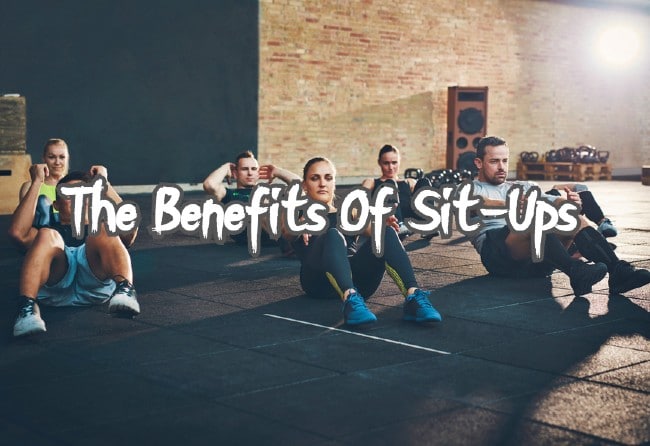
A sit-up is a bodyweight core exercise where you lie on your back, knees bent, and raise your torso up toward your knees before lowering under control. It primarily works the rectus abdominis (the “six-pack” muscle), with help from the obliques and, notably, the hip flexors, which play a bigger role in a full sit-up than many people realise.
It’s worth knowing up front that sit-ups are just one core exercise among many, and not always the best choice for everyone. The repeated spinal flexion involved can bother some people’s lower backs, which is why many coaches also favour movements like planks and other anti-movement core work. Think of sit-ups as one useful tool rather than the only one.

1. Strengthens the Core
This is the genuine, primary benefit. Sit-ups train the abdominal muscles and contribute to overall core strength. A strong core improves your stability, supports your spine, and helps transfer power between your upper and lower body, which benefits nearly everything else you do in and out of the gym.
2. Builds the Abdominal Muscles
Sit-ups do work the rectus abdominis and can help develop the abs as a muscle. An important reality check, though: building the muscle is only half the equation. The abs only become visible once you’re lean enough for them to show, which brings us to the next point.
3. They Don’t Reveal Abs on Their Own (Here’s the Truth)
This is the most important thing to understand. You cannot spot-reduce fat, so doing endless sit-ups will not burn belly fat or “uncover” your abs by itself. Visible abs come from low overall body fat, achieved through sensible nutrition and total-body training, not from ab exercises alone. Sit-ups build the muscle underneath; getting lean is what makes it visible. For the leanness side, our guides on getting more vascular and defined and achieving a V-line cover the fat-loss principles that actually do the work, and athletes like Andrei Deiu show what that combination of lean conditioning and core development looks like.
4. Supports Athletic Performance
A strong, stable core underpins athletic movement, helping you generate and transfer power, change direction, and stay balanced. Core training like sit-ups, as part of a broader program, supports performance across most sports and physical activities.
5. Improves Posture and Stability
By strengthening the muscles that support your trunk, core work can contribute to better posture and a more stable, upright position. A strong midsection helps you hold yourself well and supports the spine during daily activities and lifting alike.
6. Quick, Easy, and Beginner-Friendly
Sit-ups are simple to learn and quick to do. You don’t need to read tutorials or master complex technique, and a focused core session takes only a few minutes. That accessibility makes them genuinely useful, especially for beginners building a foundation of core strength.
7. No Equipment, Anywhere, for Free
Sit-ups need nothing but your bodyweight and a bit of floor space, so you can do them at home, while travelling, or anywhere with no gym, no kit, and no cost. That convenience removes a lot of excuses and makes them easy to stay consistent with. They sit comfortably within any bodyweight or calisthenics routine.
8. Plenty of Variations
Once basic sit-ups feel easy, you can progress and vary them: incline sit-ups, weighted versions holding a plate or medicine ball, bicycle crunches, twists, and V-ups all bring something different and target the core from new angles. That variety keeps training fresh and challenging.
9. Supports Mental Wellbeing
Like all exercise, core work releases endorphins that lift your mood, and building strength and a physique you’re happy with can boost confidence. Their simplicity makes sit-ups easy to do consistently, which is what makes those benefits stick. As ever, exercise complements rather than replaces professional support where needed.
10. A Useful Part of a Balanced Core Routine
Sit-ups work best as one element of varied core training rather than the whole thing. Combined with planks, mountain climbers, and anti-rotation work, they help build a strong, resilient midsection from multiple angles, which is far more effective than hammering sit-ups alone.
How to Do Sit-Ups Safely
Good technique keeps sit-ups effective and protects your lower back and neck:
- Lie on your back with knees bent and feet flat on the floor.
- Cross your arms over your chest or place your hands lightly by your ears. Don’t yank on your neck.
- Engage your core and curl your torso up smoothly toward your knees.
- Lower back down under control rather than dropping.
- Move with your abs, not by jerking your head and neck forward.
If sit-ups bother your lower back, switch to gentler core options like planks, dead bugs, or crunches with a smaller range of motion. There’s no rule that says you must do sit-ups specifically to build a strong core.
Will sit-ups give me a six-pack?
Not on their own. Sit-ups build the abdominal muscle, but the abs only show when your body fat is low enough, which comes from overall fat loss through diet and total-body training. You can’t spot-reduce belly fat with sit-ups.
How many sit-ups should I do?
Quality matters more than quantity. A few sets of controlled reps a few times a week is plenty for most people. Once it feels easy, progress to harder or weighted variations rather than simply chasing huge rep counts.
Are sit-ups bad for your back?
For some people, the repeated spinal flexion can aggravate the lower back. Done with good form and in moderation they’re fine for most, but if you have back issues, gentler options like planks and dead bugs are often a better choice.
Are planks better than sit-ups?
They’re different tools. Planks train the core isometrically with less spinal flexion, while sit-ups train it dynamically through a range of motion. Many people benefit from including both, and planks are often the gentler option for those with back concerns.
Do sit-ups burn belly fat?
No. They burn relatively few calories and can’t target fat in a specific area. Fat loss comes from your overall calorie balance and broader training, with sit-ups contributing to the muscle underneath rather than the fat on top.
The Bottom Line
Sit-ups are a simple, accessible, no-cost way to train your core, and they have a real place in a balanced routine. Just go in with clear expectations: they strengthen and build the abdominal muscles, but they won’t burn fat or reveal a six-pack on their own, and they’re one core exercise among many rather than the be-all and end-all.
Use them as part of varied core training, focus on clean form, and pair them with sensible nutrition and total-body work if visible abs are your goal. If they bother your back, don’t force them; plenty of other core exercises will get you there just as well.

I'm Tomek, your dedicated fitness coach at TheGymGoat. With years of experience as a certified personal trainer, fitness blogger and a passion for empowering individuals, I'm committed to helping you reach your health and wellness goals. I don't do excuses, I make priorities and always base my workout and diet on reserach.
All articles by Tomek →