



ON THIS PAGE
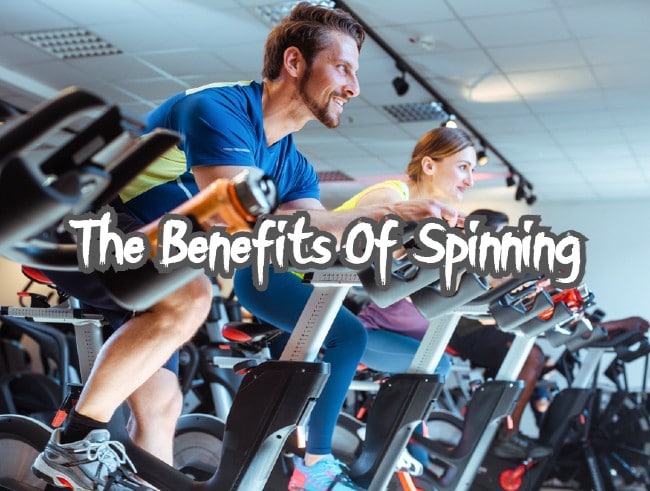
Walk past a spin studio mid-class and you’ll feel the energy before you even step inside: pounding music, a motivating instructor, and a room full of people pedalling hard in unison. Spinning has become one of the most popular group fitness classes in the world, and it’s easy to see why. It combines an intense, calorie-torching cardio workout with the motivation of a group setting, all while being surprisingly gentle on your joints.
Here’s a complete look at the real benefits of spinning, its honest limitations, and how to get the most from a class.
This article is informational and not a substitute for individual medical advice. Because spinning is high-intensity, check with a healthcare professional before starting if you have any heart or health concerns.
What Is Spinning?
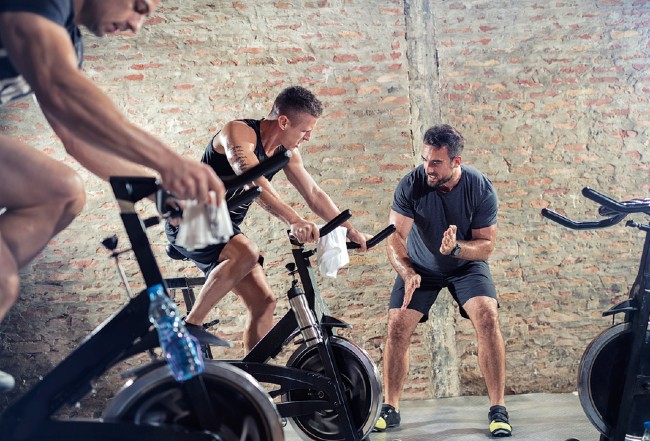
Spinning, also known as indoor cycling, is a high-intensity group fitness class performed on a specialised studio bike with a heavy weighted flywheel that mimics the feel of a road bike. Led by an instructor and set to music, a typical class takes you through a varied ride, seated sprints, standing climbs, and changes in resistance and pace, keeping your heart rate high for around 45 to 60 minutes.
It’s worth clarifying how spinning fits with related topics. Spinning specifically refers to the instructor-led, high-energy class format. That’s distinct from the general exercise bike, which is the stationary bike you use solo at your own pace, and from cycling in the broader, often outdoor sense. What sets spinning apart is the intensity, the structure, and the motivating group atmosphere.
Muscles Worked
Spinning is primarily a lower-body workout, driving the large muscles of your legs, your quadriceps, hamstrings, glutes, and calves, against resistance. Your core works throughout to keep you stable and support your posture, and standing climbs and out-of-the-saddle efforts bring your core and upper body into play more, making it more full-body than steady seated cycling.
What Are The Health Benefits Of Spinning?
1. An Intense Cardiovascular Workout
Spinning is essentially a form of high-intensity interval training on a bike, and it’s outstanding for your cardiovascular fitness. A class keeps your heart rate in a vigorous range for the best part of an hour, powerfully strengthening your heart and lungs. Research on indoor cycling has found it can improve aerobic capacity, blood pressure, cholesterol, and body composition, so beyond just feeling like a tough workout, it delivers genuine, measurable heart-health benefits. Few group classes push your cardiovascular system quite as hard, which is exactly why spinning builds fitness so quickly.
2. Burns Serious Calories
Thanks to its high intensity, spinning is one of the most effective calorie-burning classes around. Depending on your effort, body weight, and the class, a single session can burn somewhere in the region of 400 to 600 calories, making it a powerful tool for fat loss when paired with a sensible diet. Just bear in mind that calorie figures from bikes and monitors tend to be estimates and often run high, and that lasting weight loss ultimately comes down to overall energy balance, which we explain in our bulking vs cutting guide.
3. High Intensity, Low Impact
Here’s what makes spinning so special: it delivers a brutally effective workout while remaining low-impact. Because you’re pedalling in a smooth, seated (or standing) cycling motion with your feet fixed to the pedals, there’s none of the jarring impact of running. This means you get all the intensity and cardiovascular benefit of a hard session without pounding your knees, hips, and ankles. For anyone who wants to train hard but needs to protect their joints, spinning is a near-perfect solution, offering intensity and joint-friendliness in one package.
4. Builds Lower-Body Strength and Endurance
Spinning isn’t just cardio. Pedalling against the bike’s adjustable resistance, especially during standing climbs, builds real muscular strength and endurance in your legs and glutes. Over weeks of classes, you’ll notice your lower body becoming stronger and more resilient. It won’t build large muscle the way heavy lifting does, but for lean, powerful, fatigue-resistant legs, it’s genuinely effective.
5. Motivation, Energy, and Fun
This is a huge part of spinning’s appeal and success. The combination of driving music, an energetic instructor, and a room full of people all working hard together creates an atmosphere that pushes you to work far harder than you likely would alone. That group energy is powerfully motivating, and it makes the intensity feel more like fun than a chore. For many people, this social, high-energy environment is exactly what keeps them coming back and staying consistent, and consistency is what delivers results. If group classes feel intimidating at first, our guide on building your gym confidencecan help you take the plunge.
6. Reduces Stress and Boosts Your Mood
Like all vigorous exercise, spinning triggers a flood of mood-boosting endorphins while lowering stress hormones like cortisol and adrenaline. The intense focus a class demands, staying with the music, the instructor, and your own effort, also has an absorbing, almost meditative quality that pulls your mind away from daily worries. Many people leave a spin class not just physically worked but mentally refreshed and energised, making it a genuine tonic for stress.
7. Suitable for All Fitness Levels
One of spinning’s cleverest features is that everyone in the class controls their own resistance and pace. This means a single class can accommodate a complete beginner and a seasoned athlete side by side, each working at their own appropriate intensity. You’re never forced to keep up with anyone else, you simply adjust your own bike to challenge yourself at your level. This makes spinning far more accessible and beginner-friendly than its intense reputation might suggest.
8. Improves Discipline and Mental Toughness
Pushing through the challenging climbs and sprints of a spin class builds more than physical fitness, it develops mental resilience and discipline too. Learning to keep going when your legs are burning and your instructor is calling for one more push translates into a stronger, more determined mindset that carries over into the rest of your training and life.
The Honest Limitations
To get the best from spinning safely, keep these points in mind:
- It’s non-weight-bearing, so it won’t strengthen your bones. Like all cycling, spinning supports your weight, so it doesn’t provide the bone-strengthening stimulus of weight-bearing exercise. Include some weight-bearing activity elsewhere for your bone health.
- It’s genuinely intense. The high intensity can be daunting or unsuitable for absolute beginners or those with heart conditions, so ease in gradually, control your own resistance, and get medical clearance first if you have any concerns.
- Proper bike setup is essential. An incorrectly adjusted seat or handlebars can cause knee or back pain and injury, so always arrive early to set up your bike correctly, or ask the instructor for help.
- Don’t “fake” the resistance. Pedalling furiously with little or no resistance feels hard but is less effective and can be jarring on your joints. Add genuine resistance so your muscles are actually working, that’s where the benefit comes from.
- It’s mainly lower body. Spinning does little for your upper body, so round out your training with other work.
Spinning vs a Regular Exercise Bike
Both use a bike, but the experience differs. A regular exercise bike lets you ride solo, at your own pace, any time, and is often gentler and more flexible. Spinning offers structure, high intensity, and the motivating push of a group class and instructor, which many people find drives them to work much harder. If you thrive on energy and accountability, spinning is fantastic; if you prefer flexibility and steady solo sessions, a standard exercise bike may suit you better. Many people happily use both.
How to Get the Most From a Spin Class
- Arrive early and set up your bike. Correct seat and handlebar height prevents injury and makes the ride far more effective.
- Use real resistance. Add enough resistance to genuinely challenge your legs rather than spinning freely.
- Stay hydrated. Bring water, you’ll sweat a lot.
- Pace yourself. Especially as a beginner, don’t go all-out from the start. Build your intensity as you find your rhythm.
- Listen to your body. Work at your own level and ease off if you need to. It’s your ride.
Frequently Asked Questions
Is spinning good for weight loss? Yes. Spinning burns a high number of calories per class thanks to its intensity, and combined with a calorie-controlled diet, it’s an effective tool for fat loss. Just treat the calorie estimates as rough figures rather than exact numbers.
Is spinning good for beginners? It can be, because you control your own resistance and pace, so you can work at your own level within an intense class. Start gently, set your bike up correctly, and build intensity gradually as your fitness improves.
Is spinning bad for your knees? It’s low-impact and generally kind to the joints, but an incorrectly set-up bike or pedalling hard with poor form can cause knee pain. Proper bike setup and sensible resistance keep it knee-friendly.
How often should I do spinning? For most people, two to three classes a week works well, allowing recovery in between given the intensity. Combine it with strength training and some weight-bearing exercise for well-rounded fitness.
What’s the difference between spinning and cycling? Spinning is a high-intensity, instructor-led indoor cycling class on a studio bike, while cycling more broadly includes riding outdoors or using a stationary bike solo. Spinning is defined by its structured, high-energy group format.
The Bottom Line
Spinning has earned its popularity by delivering a rare combination: an intense, highly effective cardiovascular and calorie-burning workout that’s also low-impact and genuinely fun. The motivating group atmosphere pushes you to work harder than you would alone, while the ability to control your own resistance makes it accessible to almost everyone, from nervous beginner to seasoned athlete.
Just set your bike up properly, use real resistance, ease in if you’re new, and add some weight-bearing exercise elsewhere for your bones. Do that, and spinning can become one of the most enjoyable and effective ways to get seriously fit. Along with other fun group classes like Zumba, it’s proof that a great workout doesn’t have to feel like a slog.

Reda El Is a CSCS trainer, Registered Dietitian, ACE-certified nutritionist, With more than 12 years of experience, also he's a Brazilian Jiu-Jitsu competitor, he has done many articles and information sources on many authority sites, such as lifehack.org, Healthline, eat this, wealthygorilla.com, and more. He always keeps improving and updating his knowledge to help everyone to achieve their goals.
All articles by Reda Elmardi →