




ON THIS PAGE
Ankle weights are one of the simplest, cheapest pieces of fitness equipment you can own, a pair of weighted straps that add resistance to your leg movements. Used correctly, they’re a genuinely useful tool for strengthening your hips and glutes, boosting home workouts, and aiding rehabilitation. Used incorrectly, they can do more harm than good.
The difference comes down to understanding what ankle weights are actually good for, and what they’re not. Here’s an honest, balanced guide to the real benefits of ankle weights and how to use them wisely.
This article is informational and not a substitute for individual medical advice.
What Are Ankle Weights?
Ankle weights are weighted straps, usually small sandbag-style cuffs, that fasten around your ankles with Velcro. They typically range from 1 to 3 pounds (around 0.5 to 1.5 kg) for general fitness use, though heavier versions exist. By adding load to your lower legs, they increase the resistance of leg-based movements, making otherwise easy exercises more challenging.
The key thing to understand is that ankle weights are a tool for a specific job: adding resistance to controlled, low-impact leg exercises. They’re not a magic fat-burner or a substitute for proper strength training, and using them for the wrong things is where people run into trouble.
The Benefits of Ankle Weights
1. They Add Resistance to Leg and Glute Isolation Exercises
This is what ankle weights do best. Bodyweight leg exercises like glute kickbacks, side-lying leg lifts, and standing leg raises become significantly more challenging with even a light 1 to 3 pound weight added at the ankle. Because the weight sits far from your hip, it creates a long lever that meaningfully increases the resistance on the working muscles. This makes ankle weights excellent for targeting the smaller stabilising muscles of the hips and glutes that heavier compound lifts can miss, which is exactly why they feature so heavily in Pilates and barre-style workouts.
2. They Strengthen the Hips and Glutes
Physical therapists frequently recommend ankle weights for building hip and glute strength, and for good reason. The hip abductors and glute muscles are crucial for stability, posture, and knee health, yet they’re often underdeveloped. Adding light resistance to targeted moves like clamshells, hip abductions, and kickbacks is a simple, effective way to strengthen them, which supports everything from athletic performance to everyday movement. They’re a natural fit alongside a glute-building routine like the one in our guide on how to get a bigger butt.
3. They’re Valuable for Rehab, Balance, and Older Adults
One of the most established uses of ankle weights is in clinical and rehabilitation settings. Their light, controlled resistance is ideal for safely rebuilding strength after injury, and research supports their use for improving walking gait in older adults and for balance rehabilitation, including in stroke recovery. For gently strengthening the legs and improving stability without heavy loading, they’re a genuinely useful tool.
4. They Make Home and Bodyweight Workouts Harder
If your home workouts are starting to feel too easy but you don’t want to invest in a rack of dumbbells, ankle weights are a cheap, compact way to add progressive resistance. They let you keep challenging your muscles with the bodyweight exercises you already do, breathing new life into a routine that’s plateaued, all from a piece of kit that fits in a drawer.
5. They Can Add Intensity to Low-Impact Movement
Wearing light ankle weights during low-impact activities and gentle walking can modestly increase the effort involved, raising your heart rate and muscle activation a little. Some limited research has even linked wearing light ankle weights during daily activity to small reductions in body fat and waist circumference over time. The evidence here is thin, so keep expectations realistic, but as a way to slightly bump up the intensity of low-impact movement, they can play a minor role.
Best Exercises to Do With Ankle Weights
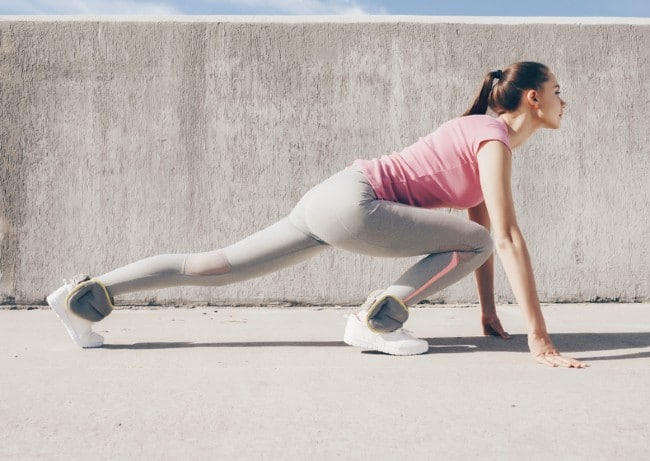
Ankle weights shine on controlled, isolated leg and core movements. Some of the best include:
- Glute kickbacks: on all fours, extend one leg straight back and up, squeezing the glute, then return under control.
- Side-lying leg lifts: lying on your side, raise the top leg up and lower it slowly to work the hip abductors.
- Clamshells: lying on your side with knees bent, open and close your top knee like a clam to target the glutes.
- Standing leg raises: raise one leg to the front, side, or back in a controlled manner for hip and glute work.
- Lying leg raises and scissor kicks: on your back, raise and lower straight legs to challenge the lower abs and hip flexors.
Perform these slowly and with control, focusing on feeling the target muscle work.
How to Use Ankle Weights Safely: Do’s and Don’ts
This is the part that matters most, because most of the problems people have with ankle weights come from misusing them. Adding weight to your ankles changes how your joints are loaded, so a few sensible rules keep them safe and effective.
| Do | Don’t |
|---|---|
| Keep them light (around 1 to 3 lb) | Use weights so heavy they strain your joints |
| Use them for controlled, low-impact leg, glute, and core exercises | Wear them for running, jumping, or high-impact exercise |
| Ease in gradually and build up over time | Wear them continuously for hours on end |
| Use them for rehab and targeted strengthening | Rely on them to build significant muscle size |
| Combine them with proper strength and cardio training | Treat them as a complete fitness solution |
The most important “don’t” is avoiding running and high-impact activity while wearing them. Adding weight at the ankle during these movements dramatically increases the stress on your ankles, knees, and hips, and can alter your natural stride, raising your risk of joint and tendon injury. Prolonged, continuous use, or jumping straight to heavy weights, can similarly cause overuse strain, so ease in gently and give your legs time to recover between sessions. If you have any existing joint issues, check with a professional first.
Ankle Weights vs Resistance Bands
For many of the same goals, resistance bands are a worthy, often more versatile alternative. A looped band around your ankles or thighs provides similar resistance for glute and hip exercises, is easy to adjust, and is arguably gentler on the joints since the tension is smooth rather than a fixed dead weight. Ankle weights have the advantage of being completely hands-free and providing constant resistance throughout a movement. Neither is simply better, and many people use both. For heavier lower-body strength work, though, neither replaces proper weighted exercises.
Frequently Asked Questions
Are ankle weights good for you? Yes, when used correctly. They’re excellent for adding resistance to low-impact leg, glute, and core exercises, for strengthening the hips, and for rehabilitation. The key is to keep them light, use them for controlled movements, and avoid running or high-impact activity while wearing them.
Can you walk with ankle weights? Light ankle weights during gentle walking can slightly increase the intensity, and some people use them this way. However, ease in gradually, keep them light, and avoid prolonged use, as too much can strain your joints and alter your gait. Never wear them for running.
Do ankle weights build muscle? They build some muscular endurance and strength in the smaller hip and leg muscles, but their light resistance won’t build significant muscle size. For real strength and hypertrophy, you’ll need proper progressive resistance training. Think of ankle weights as a supplement, not a replacement.
How heavy should ankle weights be? For most people, 1 to 3 pounds is ideal, especially to start. Heavier weights significantly increase the strain on your joints and ligaments, so only progress cautiously and keep the movements controlled.
Are ankle weights bad for your knees? Used sensibly, light ankle weights on controlled, low-impact exercises are fine for most people. They become risky when they’re too heavy, used for running or high-impact movements, or worn for long continuous periods, all of which can stress the knees and other joints.
The Bottom Line
Ankle weights are a genuinely useful, affordable tool, provided you use them for what they’re actually good at: adding resistance to controlled, low-impact leg, glute, and core exercises, strengthening the hips, aiding rehabilitation, and making home workouts more challenging. For those purposes, they punch well above their weight.
Just respect their limits. Keep them light, ease in gradually, avoid running and high-impact activity while wearing them, and don’t expect them to build serious muscle or replace real strength and cardio training. Use them wisely as one part of a well-rounded routine, and ankle weights can be a valuable little addition to your kit.

Reda El Is a CSCS trainer, Registered Dietitian, ACE-certified nutritionist, With more than 12 years of experience, also he's a Brazilian Jiu-Jitsu competitor, he has done many articles and information sources on many authority sites, such as lifehack.org, Healthline, eat this, wealthygorilla.com, and more. He always keeps improving and updating his knowledge to help everyone to achieve their goals.
All articles by Reda Elmardi →