




ON THIS PAGE
Stretching is one of those things almost everyone knows they should do and almost everyone skips. It doesn’t feel like a “real” workout, and its benefits are quieter than a heavy lift or a hard run. But regular stretching genuinely improves how your body moves and feels, from greater flexibility to less tension and better posture.
That said, stretching is also surrounded by more myths than almost any other fitness habit, particularly around injury prevention and soreness. So here’s an honest, science-based guide to what stretching really does, what it doesn’t, and how to do it properly.
This article is informational and not a substitute for individual medical advice.
What Is Stretching?
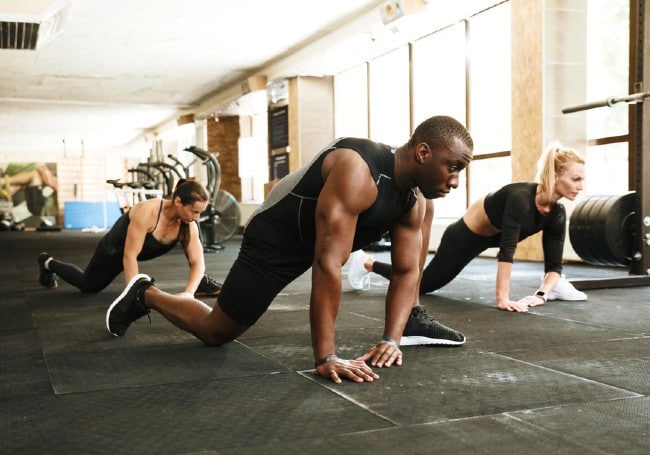
Stretching is the deliberate lengthening of your muscles to improve their flexibility and your joints’ range of motion. There are a few main types, and knowing the difference matters:
- Static stretching: holding a stretch in a fixed position for a period, usually 15 to 30 seconds. This is the classic “reach and hold” stretch.
- Dynamic stretching: moving your muscles and joints actively through their range of motion, like leg swings or arm circles. This is movement-based rather than held.
- Other types: including PNF (a contract-and-relax technique) and ballistic stretching (bouncing into a stretch), the latter of which is generally not recommended for most people due to injury risk.
As we’ll see, when you use static versus dynamic stretching makes a real difference.
The Many Health Benefits Of Stretching:
1. Improves Flexibility
This is stretching’s most well-established and reliable benefit. Regular stretching increases the flexibility of your muscles and the pliability of the surrounding tissues, allowing your joints to move through a fuller range without strain. Better flexibility makes everyday activities, bending to tie your shoes, reaching into the back seat, looking over your shoulder, noticeably easier and more fluid. It also helps offset the natural decline in flexibility that comes with age, keeping you moving well for longer.
2. Increases Range of Motion and Mobility
Closely tied to flexibility, stretching improves the range of motion in your joints, which is the practical ability to move them freely. Greater range of motion doesn’t just make daily life easier, it can also improve the quality of your movement in the gym, helping you get into better positions for exercises like the squat. Good mobility is a foundation of moving well and safely, both in training and in life.
3. Improves Posture
Modern life, with its long hours of sitting and staring at screens, tends to leave certain muscles tight and others weak, pulling your body out of alignment. Tight chest and hip muscles, for example, contribute to a hunched, forward-leaning posture. Stretching the muscles that have become short and tight, ideally combined with strengthening the weak ones, helps restore balance and makes it easier to hold good posture, which in turn reduces the aches and strain that poor posture causes.
4. Relieves Muscle Tension and Aches
If you carry tension in your neck, shoulders, or lower back, stretching can bring genuine relief. Gently lengthening tight muscles loosens built-up tension and increases blood flow to the area, easing stiffness and helping to soothe the everyday aches that come from sitting, repetitive movements, or general stress. Many people with mild back or neck stiffness find a regular stretching routine one of the simplest ways to feel more comfortable.
5. Reduces Stress and Promotes Relaxation
Stretching isn’t just physical. The slow, deliberate nature of a good stretching session, focusing on your breath and the sensation in your muscles, has a calming, almost meditative quality. It activates your body’s relaxation response, helping to release both physical and mental tension. Taking a few minutes to stretch can be a genuinely effective way to unwind and de-stress at the end of a long day.
6. May Support Circulation and Heart Health
Emerging research suggests stretching may offer benefits beyond flexibility. Some studies indicate that regular stretching improves blood flow and may even help reduce arterial stiffness and blood pressure over time. While this is a newer and still-developing area of research, it hints that stretching could be quietly good for your cardiovascular system too.
7. Prepares Your Body for Exercise
Done correctly, stretching is a valuable part of preparing to train. Specifically, dynamic stretching as part of a warm-up primes your muscles and joints for the movements ahead, increasing blood flow and range of motion so you’re ready to perform. The key word is dynamic, which brings us to the most important part of this article.
The Nuanced Truth: What Stretching Can and Can’t Do
Here’s where honesty matters, because a lot of common beliefs about stretching don’t hold up to the research.
Static stretching before exercise can actually hurt performance. Holding long static stretches immediately before an activity that requires power or speed, like sprinting or heavy lifting, has been shown to slightly reduce strength and performance temporarily. So static stretching is not the ideal warm-up. Instead, warm up with dynamic stretches and light movement, and save your static stretching for afterward or for dedicated flexibility sessions.
Stretching doesn’t reliably prevent muscle soreness. Despite the popular belief, research has generally found that stretching, whether before or after exercise, does little to reduce the delayed muscle soreness (DOMS) you feel in the day or two after a hard workout. If you stretch expecting it to banish soreness, you’ll likely be disappointed. It may help you feel looser, but it isn’t a cure for DOMS.
For injury prevention, warming up matters more than static stretching. The old idea that static stretching before exercise prevents injury isn’t well supported. A proper warm-up, raising your muscle temperature with light cardio and dynamic movement, is far more effective at preparing your body and reducing injury risk than holding static stretches on cold muscles.
None of this means stretching is pointless, far from it. It means you should match the type of stretching to your goal and timing, and keep realistic expectations.
Static vs Dynamic: When to Use Each
The simple rule that resolves most of the confusion:
- Before exercise: use dynamic stretching, active, movement-based stretches as part of your warm-up to prepare your body for activity.
- After exercise or in separate sessions: use static stretching, held stretches, to safely improve your flexibility and help your muscles relax and cool down.
Get this right, and you get the benefits of stretching without the downsides.
How to Stretch Safely and Effectively
- Don’t stretch cold. Cold muscles are less pliable. Warm up with five to ten minutes of light activity first, or stretch after your workout.
- Don’t bounce. Avoid jerky, bouncing (ballistic) movements, which can cause injury. Ease smoothly into each stretch.
- Don’t force it to pain. A stretch should feel like mild tension, never pain. Pushing too hard risks injury.
- Hold static stretches for 15 to 30 seconds. This is enough to be effective without overdoing it.
- Breathe and relax. Breathe steadily and let the muscle relax into the stretch rather than tensing against it.
- Be consistent. Flexibility improves gradually with regular practice, not from a single session. Stretching a few times a week delivers far more than the occasional one-off.
Stretching also pairs well with other recovery and mobility tools, such as using a foam roller to ease muscle tightness.
Frequently Asked Questions
What are the main benefits of stretching? The best-supported benefits are improved flexibility and range of motion, better posture, relief of muscle tension and aches, and reduced stress. It also helps prepare your body for exercise when done dynamically as part of a warm-up.
Should I stretch before or after a workout? Use dynamic stretching before, as part of your warm-up, and save static (held) stretching for after your workout or for separate flexibility sessions. Long static stretches immediately before exercise can slightly reduce power and performance.
Does stretching prevent injury? Not as much as commonly believed. A proper dynamic warm-up is more effective for injury prevention than static stretching. Improved flexibility can help over the long term, but static stretching on cold muscles before exercise isn’t the protective measure it’s often assumed to be.
Does stretching reduce muscle soreness? Research generally shows stretching doesn’t reliably reduce delayed muscle soreness (DOMS) after exercise. It may help you feel looser, but it won’t eliminate post-workout soreness.
How often should I stretch? Consistency matters more than duration. Stretching a few times a week, or a little each day, steadily improves flexibility over time. Even five to ten minutes regularly makes a difference.
The Bottom Line
Stretching is a genuinely valuable habit, it improves your flexibility, mobility, and posture, eases tension and aches, and helps you relax. Those benefits are real and well worth a few minutes of your time several times a week.
Just approach it with realistic expectations and the right timing. Use dynamic stretches to warm up before activity, save static stretches for afterward, and don’t count on stretching to prevent injuries or banish soreness on its own. Done sensibly and consistently, stretching will keep your body moving more freely and comfortably for years to come.

Reda El Is a CSCS trainer, Registered Dietitian, ACE-certified nutritionist, With more than 12 years of experience, also he's a Brazilian Jiu-Jitsu competitor, he has done many articles and information sources on many authority sites, such as lifehack.org, Healthline, eat this, wealthygorilla.com, and more. He always keeps improving and updating his knowledge to help everyone to achieve their goals.
All articles by Reda Elmardi →