





ON THIS PAGE
Adding a weighted vest to your walks, a practice better known as “rucking,” has become one of the most popular fitness trends around. It’s a beautifully simple idea: take an activity almost everyone can do, walking, and make it more challenging by carrying some extra weight. The result is a low-impact workout that blends cardio and strength, and it’s won fans from the military, where it originated, to longevity experts and everyday walkers alike.
Here’s a complete, honest look at the benefits of walking with a weighted vest, the risks worth knowing, and how to start safely.
This article is informational and not a substitute for individual medical advice.
What Is Walking With a Weighted Vest?
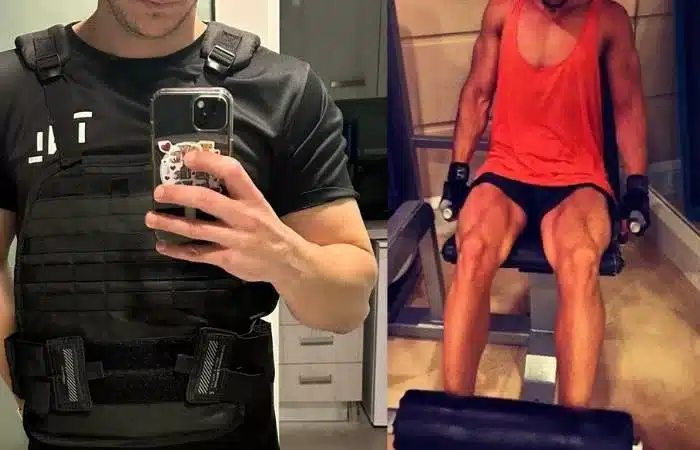
Walking with a weighted vest simply means wearing a vest loaded with extra weight while you walk, turning an ordinary stroll into a more demanding, load-bearing workout. It’s a form of rucking, a term that comes from military training, where soldiers march long distances carrying heavy rucksacks. Today, civilians have adopted a gentler version for its excellent blend of endurance, strength, and simplicity.
This article focuses specifically on the walking application. For a broader look at all the ways a vest can be used, including bodyweight training, see our main guide on weighted vest benefits. It’s also worth noting that you can ruck with either a weighted vest or a backpack. A vest distributes the weight evenly across your torso for stability and versatility, while a loaded backpack places more of the load on your back, which some people find better for posture work and higher weights. Both are effective, so it comes down to preference.
The Benefits of Walking With a Weighted Vest
1. Burns More Calories Than Regular Walking
This is the headline benefit and the main reason people try it. By increasing your effective bodyweight, a vest forces your body to work harder and burn more energy over the same distance. Carrying a meaningful load can noticeably increase your calorie burn compared to unloaded walking, making it a time-efficient way to get more out of the walks you’re already doing. Combined with sensible eating, that makes it a useful tool for fat loss, as covered in our bulking vs cuttingguide.
2. Low-Impact Strength and Endurance
Perhaps the greatest appeal of weighted walking is that it builds strength and endurance without the pounding impact of running. The added load provides resistance that engages your legs, glutes, core, and back more than walking alone, helping to build muscular strength and stamina while keeping the movement gentle on your joints. For anyone who wants the resistance benefits of a tougher workout but needs to protect their knees and hips, it’s a near-ideal combination.
3. Boosts Cardiovascular Fitness
Regular walking is already excellent aerobic exercise, but carrying extra weight elevates your heart rate more quickly and keeps it higher throughout. This means your heart and lungs work harder, so you get a greater cardiovascular training effect from the same walk. Over time, that improved heart and lung function supports your overall cardio health, all at a walking pace.
4. Adds Weight-Bearing Load for Your Bones
Walking is a weight-bearing activity, which is good for maintaining bone strength, and adding a vest increases that load on your skeleton, particularly your spine and hips. In theory, this greater stimulus encourages your bones to stay strong and dense. It’s worth a note of honesty here, though: while this is plausible and often cited, the direct research on weighted vests and bone density is still limited, and the most dramatic claims (such as reversing bone loss) are oversold. Treat the bone benefit as a promising bonus rather than a guaranteed outcome, and see our main vest guide for more on the evidence.
5. Strengthens Your Core and Improves Posture
Carrying added weight while staying upright forces your core and back muscles to work harder to stabilise your body and keep you balanced. Over time, this can strengthen your core and, done with good posture, support better postural strength. It’s a subtle but genuine benefit of moving under load.
6. Time-Efficient and Accessible
Weighted walking lets you extract more benefit from time you’re already spending on your feet, making it wonderfully efficient for busy people. It’s also highly accessible and scalable: anyone can start with a light weight and gradually build up, and it requires nothing more than a vest and somewhere to walk. It even builds a bit of mental toughness, turning an easy stroll into a satisfying challenge.
Risks and Safety Considerations
Adding weight amplifies the stress on your body, so a sensible approach matters. According to orthopaedic specialists, the main risks include:
- Joint strain. The extra weight places more stress on your knees, hips, and ankles. If you have arthritis or previous joint injuries, this can aggravate them, so take particular care.
- Back and shoulder strain. Poor posture or uneven weight distribution can cause back or shoulder discomfort. Weighted vests are generally safer than backpacks here, as they balance the load evenly. People with neck or back pain should not wear a weighted vest.
- Foot and ankle issues. The added load increases the risk of problems like plantar fasciitis, shin splints, and ankle sprains, so supportive, well-cushioned footwear is essential.
- Overuse injuries. Doing too much too soon is a recipe for strain. Build up gradually.
It’s also best to avoid weighted walking while pregnant, and to check with a healthcare professional first if you have any concerns.
How to Start Walking With a Weighted Vest
The golden rule is to start light and progress slowly:
- Begin with a light load. Start with a small weight, around 5 to 10 percent of your bodyweight at most, and beginners can start even lighter, with just a few pounds.
- Keep it short at first. Try 10 to 15 minutes on flat ground, and repeat a few times over a couple of weeks before adding more.
- Progress gradually. Slowly increase the weight and the distance as your body adapts, rather than jumping ahead.
- Prioritise posture and footwear. Stand tall, keep your core engaged, avoid hunching under the load, and wear supportive shoes.
- Allow recovery. Give your body rest days between sessions, especially early on.
Adding it to a hike once you’re comfortable is a great way to progress, combining varied terrain with added load. A few minutes of gentle stretching afterward can help too.
Frequently Asked Questions
How much weight should I use in a weighted vest for walking? Start light, around 5 to 10 percent of your bodyweight at most, and beginners should begin with just a few pounds. Increase the weight gradually over weeks as your body adapts. Going too heavy too soon risks injury.
Does walking with a weighted vest burn more calories? Yes. Carrying extra weight increases the energy your body uses over the same distance, so you burn more calories than unloaded walking. It’s an efficient way to boost the intensity of a walk you’re already doing.
Is walking with a weighted vest good for bone density? Walking is weight-bearing and good for bones, and adding a vest increases that load, which may enhance the bone-strengthening stimulus. However, the direct evidence is still limited, and the biggest claims are overstated, so treat it as a promising bonus rather than a certainty.
Who should not walk with a weighted vest? People with neck or back pain should avoid weighted vests, as should pregnant women. Anyone with arthritis, joint issues, or foot problems should be cautious and consult a professional, and everyone should start light with supportive footwear.
Is a weighted vest or a backpack better for rucking? Both work well. A vest distributes weight evenly across your torso for stability and versatility, while a backpack places the load on your back, which some prefer for posture and heavier weights. It comes down to comfort and preference.
The Bottom Line
Walking with a weighted vest is a simple, effective way to level up one of the best exercises there is. It burns more calories, builds strength and endurance without the impact of running, boosts your cardiovascular fitness, and challenges your core, all from a movement as natural as walking. Little wonder it’s become so popular.
The keys to enjoying it safely are to start light, build up slowly, maintain good posture, wear supportive shoes, and avoid it if you have back or neck problems. Keep your expectations realistic about the bigger claims, and rucking becomes a genuinely worthwhile, joint-friendly way to get fitter and stronger, one loaded step at a time.

I'm Tomek, your dedicated fitness coach at TheGymGoat. With years of experience as a certified personal trainer, fitness blogger and a passion for empowering individuals, I'm committed to helping you reach your health and wellness goals. I don't do excuses, I make priorities and always base my workout and diet on reserach.
All articles by Tomek →


