




ON THIS PAGE
FBalance boards have surged in popularity, popping up in gyms, physical therapy clinics, and living rooms everywhere. These simple, wobbly platforms promise better balance, a stronger core, and improved coordination. But amid the hype, it’s worth separating what a balance board genuinely does from the exaggerated claims. Done honestly, the real benefits are well worth knowing.
Here’s a clear, balanced look at the benefits of balance boards, what they can’t do, and how to use one safely.
This article is informational and not a substitute for individual medical advice.
What Is a Balance Board?
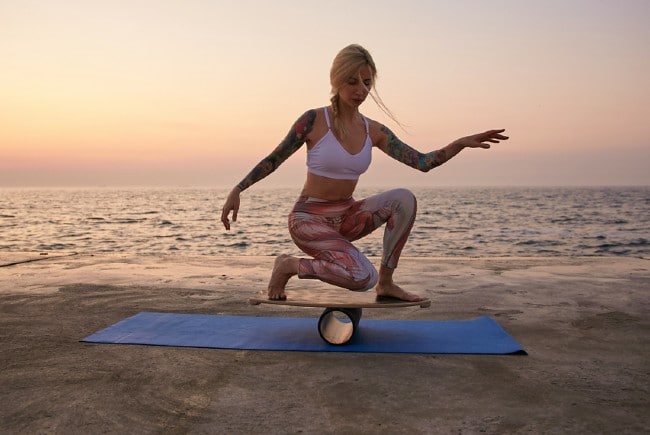
A balance board, also called a wobble board, is a piece of fitness equipment consisting of a flat platform on top of an unstable base, a curved fulcrum or a ball or roller. Standing or exercising on it creates an unstable surface, forcing your body to make constant small adjustments to stay balanced. This continuous challenge is what delivers the benefits.
There are two main types. Rocker boards tilt in just one direction (usually side to side) and are more stable, making them ideal for beginners. Wobble boards sit on a rounded base and move in every direction, offering a greater challenge. It’s wise to start with a rocker board and progress to a wobble board as your balance improves.
The Genuine Benefits of a Balance Board
1. Improves Your Balance
The most obvious benefit, and the most valuable. Regular balance board training genuinely makes you steadier on your feet. This matters more than people realise, because balance naturally declines with age, and maintaining it is key to staying active, capable, and independent throughout life.
2. Enhances Proprioception and Body Awareness
Proprioception is your body’s sense of where your limbs and joints are in space, and it’s fundamental to coordinated, controlled movement. Balance boards train this sense intensively, as your body constantly senses and corrects its position. Better proprioception means smoother movement, improved coordination, less clumsiness, and a reduced risk of injury, benefits that carry over into sport and everyday life alike.
3. Strengthens Your Core
Staying balanced on an unstable surface requires your deep core and stabilising muscles to fire continuously, making micro-adjustments with every wobble. This builds genuine core strength and stability, which supports better posture and a more resilient midsection. It’s a great complement to dedicated core work like the plank.
4. Strengthens and Stabilises the Ankles
Balance boards are particularly good for the often-neglected stabilising muscles of your ankles and lower legs. Strengthening these improves ankle stability, which helps prevent the sprains and rolls that are among the most common injuries in sport and daily life. This is a big reason balance boards are so widely used.
5. Excellent for Rehabilitation and Injury Prevention
Balance boards are a staple in physical therapy for good reason. Their ability to retrain proprioception and strengthen stabilising muscles makes them invaluable for recovering from injuries, particularly ankle and knee injuries, and for guarding against future ones. If you’re rehabbing an injury, though, use one under professional guidance.
6. May Reduce the Risk of Falls
For older adults especially, this is a significant benefit. Research suggests that balance training can improve stability and coordination and may help reduce the risk of falling, a major cause of injury later in life. Building and maintaining good balance is one of the smartest investments in long-term health and independence.
7. Improves Posture and Body Control
By strengthening your core and stabilising muscles and heightening your body awareness, balance boards contribute to better posture and overall body control. This improved stability translates into more efficient, controlled movement in sport and daily activities.
8. Convenient, Fun, and Versatile
Finally, balance boards are portable, affordable, and genuinely enjoyable to use. You can keep one at home or by your desk and use it in short bursts, or incorporate it into exercises like squats, push-ups, and planks to add a stability challenge. That ease and variety make it easy to stick with.
What a Balance Board Won’t Do
To use a balance board wisely, it’s important to be honest about its limits, because some claims are overstated:
- It won’t build big muscle or boost your main lifts. You may read that balance boards will increase your bench press, squat, or deadlift. In reality, training on an unstable surface actually reduces the force and load your muscles can produce, so it’s not the way to build maximal strength or size. Heavy lifting on stable ground does that. Balance boards complement your strength training by improving stability, they don’t replace it.
- It won’t burn significant fat. A balance board is a balance and stability tool, not a calorie-torching cardio workout. For fat loss, rely on cardio and a sensible diet, not the board.
- It’s mainly for standing and stability work. On its own, a balance board isn’t a full-body workout, so use it alongside other training for well-rounded fitness.
Understanding these limits lets you use a balance board for what it’s genuinely excellent at, rather than expecting miracles.
How to Use a Balance Board Safely
Because balance boards are unstable by design, a sensible, gradual approach keeps you safe:
- Start near support. Use the board in the corner of a room or beside a wall, counter, or sturdy chair you can grab if needed.
- Begin slowly. Practise for just a minute or two at a time, a few times a day, and warm up first.
- Start simple. Master basic standing balance before progressing to more challenging moves.
- Progress gradually. Move from a rocker board to a wobble board, and from simple standing to exercises like mini squats, push-ups with your hands on the board, or planks, as your balance improves.
- Listen to your body. Stop if you feel pain, and seek professional guidance if you’re using the board for rehabilitation.
Who Is a Balance Board For?
Balance boards suit almost everyone: beginners and athletes, young and old. They’re especially valuable for anyone wanting to improve balance and coordination, athletes looking to boost stability and prevent injury, people rehabbing an ankle or knee, and older adults working to stay steady and reduce their fall risk. Whatever your level, they’re a useful, joint-friendly addition to your routine, best used alongside strength and cardio work rather than in place of it. They pair naturally with balance-focused practices like Pilates and yoga, and recovery tools like the foam roller.
Frequently Asked Questions
What are the benefits of a balance board? Balance boards improve your balance, proprioception, core strength, and ankle stability, while supporting better posture and coordination. They’re also valuable for injury rehabilitation and may help reduce the risk of falls, particularly in older adults.
Do balance boards build muscle? They strengthen the core and stabilising muscles and improve stability, but they won’t build significant muscle size or strength. Training on an unstable surface actually reduces the load you can handle, so heavy lifting on stable ground remains the way to build muscle.
Do balance boards help you lose weight? Not directly. Balance boards burn relatively few calories and aren’t a cardio workout, so they’re not an effective fat-loss tool on their own. For weight loss, focus on cardio, strength training, and a sensible diet.
Are balance boards good for beginners? Yes, provided you start safely. Begin with a more stable rocker board, use it near a wall or support, practise for short periods, and progress gradually. Beginners can build real balance and stability this way.
How long should I use a balance board each day? Starting with just one to two minutes a few times a day is plenty, gradually increasing as your balance improves. Consistency matters more than long sessions, and short, regular practice delivers steady progress.
The Bottom Line
Balance boards are a genuinely useful, affordable, and enjoyable tool for improving your balance, proprioception, core strength, and ankle stability, with real value for injury prevention, rehabilitation, and reducing the risk of falls. For building steadiness, coordination, and body control, they’re hard to beat.
Just keep your expectations realistic: a balance board won’t build big muscle, boost your heavy lifts, or burn away fat. Use it for what it does best, improving your balance and stability, alongside proper strength and cardio training. Start slowly, stay safe near a support, and progress gradually, and this simple wobbly board can be a valuable addition to your fitness and long-term health.