



ON THIS PAGE
Belly fat is one of the most common things people want to lose, and one of the most misunderstood. Between endless crunches, “fat-burning” teas, waist trainers, and miracle diets, the internet is awash with advice that simply doesn’t work. The real science of losing belly fat is less exciting but far more effective, and once you understand it, the path becomes clear.
This is a complete, honest, science-based guide to how fat loss actually works, why you can’t target your belly specifically, and the genuine strategies that get results. No gimmicks, just what really works.
This article is informational and not a substitute for individual medical or dietary advice. If you have a health condition or a history of disordered eating, speak to a healthcare professional before starting a fat-loss plan.
The Hard Truth: You Cannot Spot-Reduce Belly Fat
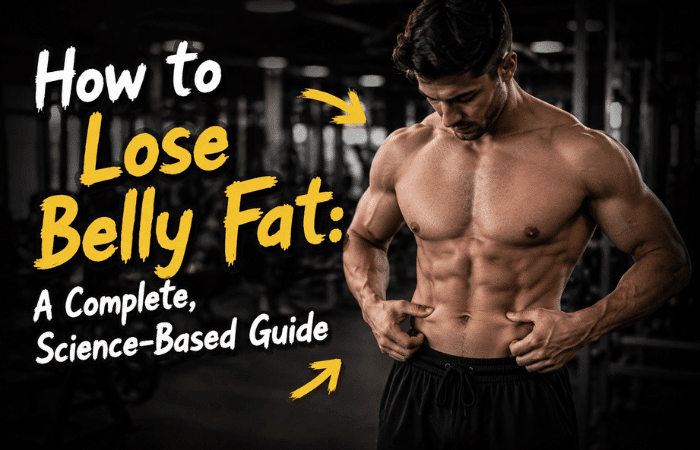
Let’s start with the single most important fact, because it changes everything: you cannot target fat loss to a specific area of your body. No amount of crunches, sit-ups, or ab workouts will burn the fat off your stomach specifically. This idea, known as “spot reduction,” is a persistent myth that has been repeatedly disproven.
When your body burns fat for energy, it draws on your fat stores from all over your body, in a pattern largely determined by your genetics, not by which muscles you’re exercising. Doing hundreds of crunches will strengthen your abdominal muscles, but it won’t remove the layer of fat sitting on top of them. The only way to lose belly fat is to lose overall body fat, and as you do, the fat will come off your belly along with everywhere else.
This is why the real question isn’t “how do I lose belly fat,” but “how do I lose body fat.” Answer that, and your belly takes care of itself.
Understanding Belly Fat: Subcutaneous vs Visceral
Not all belly fat is the same, and knowing the difference matters.
Subcutaneous fat is the soft, pinchable fat that sits just under your skin. It’s the fat you can grab, and while most people want less of it for aesthetic reasons, it’s relatively harmless in normal amounts.
Visceral fat is the deeper fat stored around your abdominal organs. This is the more concerning type, because higher levels of visceral fat are strongly linked to serious health risks, including heart disease, type 2 diabetes, and other metabolic problems. This is what can give some people a hard, protruding belly even if they don’t look especially overweight.
The good news is that visceral fat tends to respond well to the lifestyle changes we’ll cover, often being among the first fat to go when you start eating better and moving more. So losing belly fat isn’t just about looking leaner, it’s genuinely good for your long-term health.
The Foundation of All Fat Loss: A Calorie Deficit
Here’s the principle that underpins everything: to lose fat, you must burn more calories than you consume. This is called a calorie deficit, and it’s the non-negotiable foundation of fat loss. When your body takes in less energy than it uses, it makes up the difference by burning stored fat, and you lose weight.
Every effective fat-loss approach, whatever it’s called, works by creating a calorie deficit. You can create one by eating less, moving more, or, ideally, a combination of both. Our guide on bulking vs cutting explains the principle of energy balance in more detail.
The key is to make your deficit moderate and sustainable. A gentle to moderate deficit, one that produces around 0.5 to 1 pound (roughly 0.25 to 0.5 kg) of fat loss per week, allows you to lose fat steadily while preserving muscle and keeping the process manageable. Aggressive crash diets might promise faster results, but they tend to backfire: they burn away muscle, slow your metabolism, leave you miserable and hungry, and almost always end in the weight coming back. Slow and steady genuinely wins here.
Not sure where to start? Use our fat loss calculator below to estimate your maintenance calories and a sensible target for steady, healthy fat loss.
How Many Calories to Lose Fat?
Estimate your maintenance calories and a sensible target for steady, healthy fat loss.
These are estimates for general guidance, not medical or dietary advice. Aim for gradual, sustainable fat loss and avoid very low-calorie crash diets. If you have a health condition or any history of disordered eating, please speak to a doctor or dietitian first. Learn more in our guide on how to lose belly fat.
How to Lose Belly Fat: 10 Strategies That Actually Work
1. Eat in a Moderate Calorie Deficit
Since a calorie deficit is the foundation, getting your nutrition right is the single most powerful lever you have. You don’t need a complicated diet, just a consistent, moderate reduction in your calorie intake. Track your food for a while if it helps, focus on portion sizes, and aim for that steady, sustainable deficit. What you eat matters too, but the deficit is what drives the fat loss.
2. Prioritise Protein
Protein is your best friend when losing fat, for three reasons. It’s highly satiating, so it keeps you feeling full and reduces cravings; it has a higher thermic effect, meaning your body burns more calories digesting it; and crucially, it helps preserve your muscle mass while you’re in a deficit, so the weight you lose is fat rather than precious muscle. Aim for a good protein intake at every meal, and see our guide on how many protein shakes a day for help hitting your target. The calculator below gives you a protein goal too.
3. Eat More Whole, Minimally Processed Foods
What you eat affects how easy your deficit is to maintain. Whole, minimally processed foods, lean proteins, vegetables, fruit, whole grains, and legumes, are more filling and nutritious per calorie than processed alternatives. They’re packed with fibre and water, which keep you full, making it far easier to eat fewer calories without feeling deprived. Building your diet around these foods is one of the most effective ways to lose fat comfortably.
4. Cut Back on Sugary Drinks and Refined Carbs
Some foods are worth reducing specifically. Sugary drinks, sodas, sweetened coffees, and juices, deliver a lot of calories with zero satiety, and are strongly associated with increased belly fat, particularly visceral fat. Highly refined carbohydrates and added sugars have a similar effect. Swapping sugary drinks for water and cutting back on ultra-processed, sugary foods is one of the simplest, highest-impact changes you can make for your waistline.
5. Lift Weights and Build Muscle
Strength training is a powerful and often underrated fat-loss tool. While it doesn’t burn as many calories per session as cardio, it builds and preserves muscle, which keeps your metabolism higher and ensures the weight you lose is fat, not muscle. Just as importantly, muscle is what gives your body shape and definition as the fat comes off. Compound movements like squats and deadlifts, organised into a structured plan like a push pull legs routine, deliver the most bang for your buck.
6. Include Regular Cardio
Cardio is an excellent way to burn extra calories and widen your deficit, and it’s particularly effective at reducing visceral belly fat. You don’t need to punish yourself, a mix of steady activity like brisk walking and, if you enjoy it, some higher-intensity work like HIIT works brilliantly. The best cardio is the kind you’ll actually do consistently, so pick something you enjoy. Our guide to the benefits of cardio covers the options.
7. Prioritise Your Sleep
This one surprises people, but sleep has a real impact on fat loss. Poor and insufficient sleep disrupts the hormones that regulate your hunger and appetite, leaving you hungrier, more prone to cravings, and more likely to store fat, including around your belly. Studies consistently link short sleep to increased weight and belly fat. Aiming for seven to nine hours of quality sleep a night makes losing fat significantly easier.
8. Manage Your Stress
Chronic stress is a genuine obstacle to losing belly fat. When you’re stressed, your body produces more of the hormone cortisol, which is associated with increased appetite and the storage of visceral fat around the abdomen specifically. Finding ways to manage your stress, whether through exercise, time outdoors, relaxation, or better sleep, supports both your wellbeing and your waistline.
9. Watch Your Alcohol Intake
The “beer belly” is more than a stereotype. Alcohol is calorie-dense, provides no nutrition, tends to lower your inhibitions around food, and is associated with increased abdominal fat. You don’t necessarily have to cut it out entirely, but reducing your alcohol intake removes a significant source of empty calories and makes maintaining your deficit much easier.
10. Be Consistent and Patient
Finally, and most importantly, fat loss takes time and consistency. There are no overnight fixes. Belly fat in particular can be stubborn and is often among the last to go. The people who succeed are those who build sustainable habits and stick with them week after week, month after month, rather than chasing quick fixes. Trust the process, stay consistent, and the results will come.
The Role of Exercise: Strength and Cardio Together
The most effective exercise approach for fat loss combines both strength training and cardio. Strength training preserves your muscle and shapes your body, while cardio burns extra calories and targets visceral fat. Together, they’re far more effective than either alone.
It’s worth repeating one point, though: core exercises like crunches and planks build and strengthen your abdominal muscles, but they will not reveal them without fat loss. Your abs become visible only when your overall body fat is low enough, which comes from diet and total-body training, not endless ab work. This is exactly the principle behind our guide on how to get a V-line. Train your core for strength, but rely on your diet and overall training to reveal it.

How Long Does It Take to Lose Belly Fat?
At a healthy, sustainable rate of around 0.5 to 1 pound of fat per week, losing a noticeable amount of belly fat typically takes several weeks to a few months, depending on how much you have to lose. Because fat comes off your whole body and belly fat is often the most stubborn, you may see changes elsewhere first. This is completely normal, keep going, stay consistent, and your midsection will follow. Resist the temptation to crash diet for faster results; slow, steady progress is the kind that actually lasts.
Common Belly Fat Myths to Ignore
- Spot reduction (crunches burn belly fat): False. You can’t target fat loss to one area. Overall fat loss is the only way.
- “Fat-burning” foods and supplements: Marketing hype. No food or pill meaningfully “burns” belly fat. A calorie deficit does the work.
- Detox teas and waist trainers: These don’t burn fat. Detox teas often just act as laxatives or diuretics, and waist trainers temporarily compress your waist without removing any fat.
- Crash and fad diets: Extreme diets cause rapid initial weight loss (mostly water and muscle), slow your metabolism, and almost always lead to regaining the weight.
When to Seek Professional Help
For most people, the sustainable strategies above are all that’s needed. But it’s worth speaking to a doctor or registered dietitian if you’re struggling to lose weight despite consistent effort, if you have a health condition that affects your weight, if you’ve experienced sudden unexplained weight changes, or if you have any history of disordered eating. A professional can provide safe, personalised guidance. Remember, the goal is a healthier, sustainable you, not an extreme or punishing regime.
Frequently Asked Questions
What actually burns belly fat? An overall calorie deficit is what burns belly fat, achieved by eating in a moderate deficit, prioritising protein and whole foods, and combining strength training with cardio. You lose fat from your whole body, including your belly, rather than targeting the belly directly.
Can you lose belly fat with exercise alone? Exercise helps by burning calories and building muscle, but diet is the more powerful lever for fat loss. The best results come from combining a moderate calorie deficit through nutrition with regular strength training and cardio. Exercise alone, without addressing your diet, usually produces limited results.
Do ab exercises like crunches burn belly fat? No. Crunches and ab exercises strengthen your abdominal muscles but do not burn the fat covering them, because you can’t spot-reduce fat. To reveal your abs, you need to lower your overall body fat through diet and total-body training.
What foods help you lose belly fat? No single food burns belly fat, but a diet built around lean protein, vegetables, fruit, whole grains, and legumes keeps you full on fewer calories, making a deficit easier to maintain. Reducing sugary drinks, refined carbs, and alcohol is particularly helpful for the belly.
Why is my belly fat so stubborn? Belly fat is often among the last areas to lean out, largely due to genetics, which dictate where you store and lose fat. This is normal. The solution isn’t a special trick, but consistency: stay in a moderate deficit and keep training, and your belly fat will reduce over time.
Do waist trainers or detox teas work for belly fat? No. Waist trainers only temporarily compress your midsection and remove no fat, while detox teas typically act as laxatives or diuretics without burning any fat. Neither offers real, lasting fat loss, which only comes from a sustained calorie deficit.
The Bottom Line
Losing belly fat comes down to a simple but unglamorous truth: you lose fat from your whole body by maintaining a moderate, sustainable calorie deficit, and your belly leans out along with everything else. Forget spot reduction, fat-burning gimmicks, and crash diets. They don’t work.
Instead, eat in a sensible deficit built around protein and whole foods, cut back on sugary drinks and alcohol, lift weights, do cardio you enjoy, sleep well, and manage your stress. Then be patient and consistent. These proven habits will not only flatten your belly over time but make you healthier, stronger, and better for the long run. Use the calculator below to find your starting numbers, and take it one steady step at a time.

I'm Tomek, your dedicated fitness coach at TheGymGoat. With years of experience as a certified personal trainer, fitness blogger and a passion for empowering individuals, I'm committed to helping you reach your health and wellness goals. I don't do excuses, I make priorities and always base my workout and diet on reserach.
All articles by Tomek →