


ON THIS PAGE
You can’t talk about leg day without talking about squats. Whether you love the brutal next-day soreness or dread it, the squat is the single most important lower-body exercise you can do, and skipping it is the fastest way to end up with an impressive upper body perched on underdeveloped legs.
The squat builds strength, muscle, and athleticism while training one of the most fundamental human movement patterns there is. Here’s a clear look at what it does, how to do it well, and why it earns its reputation as the king of leg exercises.
This article is informational and not a substitute for individual medical or training advice.
What Is a Squat?
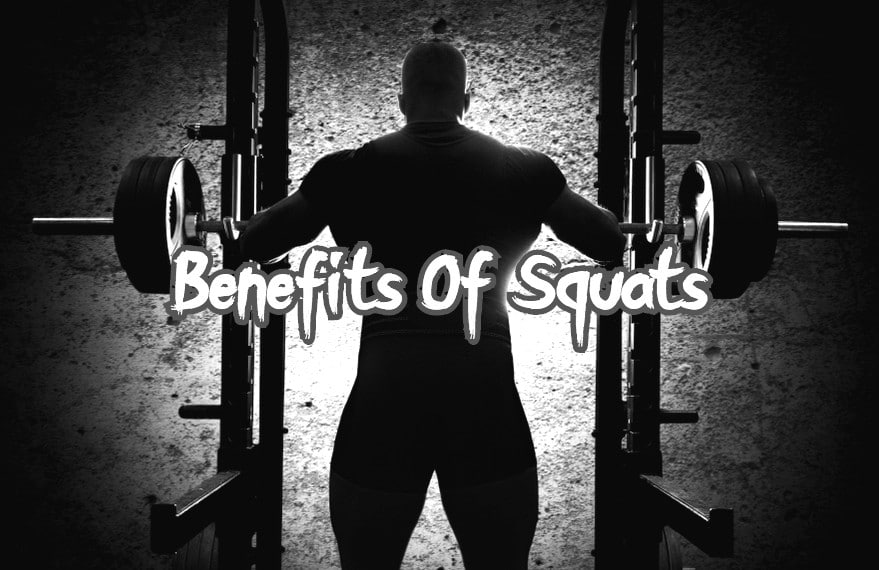
The classic barbell back squat is a compound lower-body exercise. You rest a barbell across your upper back and shoulders, then bend at the hips and knees to lower into a squat before driving back up to standing, repeating for reps. It’s a compound movement, meaning it trains several muscle groups at once.
Muscles Worked
| Muscle group | Role |
|---|---|
| Quadriceps | Primary mover, extends the knees |
| Glutes | Drive hip extension out of the bottom |
| Hamstrings | Assist hip extension and stabilise |
| Adductors | Support the legs through the movement |
| Core and spinal erectors | Brace and keep the torso upright |
That broad recruitment is exactly why the squat sits alongside the deadlift as a foundation of serious training. For a direct comparison of the two, our squat vs deadlift breakdown is worth a look.
How to Squat With Correct Form
Form is everything with the squat, both for results and for protecting your knees and back:
- Set the bar across your upper traps, not your neck, and grip it firmly.
- Stand with feet roughly shoulder-width apart, toes turned out slightly.
- Brace your core as if about to be punched, and keep your chest up.
- Push your hips back and bend your knees to lower under control, keeping your knees tracking in line with your toes.
- Descend until your thighs are at least parallel to the floor, as far as your mobility allows with a neutral spine.
- Drive through your whole foot to stand back up, keeping your chest up and core tight.
The key cues: keep your heels down, your back neutral, and your knees tracking over your toes. If your form breaks down, the set is over.
What Are The Health Benefits Of Squats?

1. Builds Strong, Muscular Legs
This is the headline. Squats train the quads, glutes, hamstrings, and calves hard, building both size and strength through the entire lower body. Few exercises develop the legs as completely, which is why squats are synonymous with leg day and why the legends of leg training, like Tom Platz, built their reputations on relentless squatting.
2. A Genuinely Functional Movement
The squat is one of the most functional exercises you can do because you squat constantly in daily life: sitting down, standing up, picking things off the floor, lowering into a chair. Training the pattern under load makes all of those everyday actions easier and safer, building strength that genuinely transfers to life outside the gym.
3. Builds Total-Body Strength
Squats aren’t just a leg exercise. The core and spinal erectors work hard to stabilise the load, and the whole body is involved in moving heavy weight. That’s why powerlifters, strongmen, and athletes build their programs around the squat. It develops the kind of full-body strength that carries into nearly everything else you do.
4. Improves Your Other Lifts
As a strength builder, the squat carries over impressively. Stronger legs and a stronger core support your overhead press through better leg drive, and they directly improve your performance on the leg press, lunges, and other lower-body work. Build your squat and much of your training improves alongside it.
5. Promotes Muscle Growth
Because squats recruit so much muscle under heavy load, they’re a powerful driver of overall growth, not just in the legs but throughout the body. Heavy compound lifts also produce an acute rise in anabolic hormones like testosterone and growth hormone. It’s worth keeping this in perspective, though: those short-term spikes contribute less to muscle growth than your total training volume, consistency, and nutrition. A nice bonus rather than the main mechanism.
6. Supports Athletic Performance
Squats develop the explosive leg strength and power that underpin sprinting, jumping, and rapid changes of direction. The strength base you build directly supports activities like sprinting and most field sports, making the squat a staple of athletic strength and conditioning.
7. Builds a Stronger, Shapelier Backside
For both men and women, squats are one of the best exercises for developing the glutes. They strengthen and shape the muscles of the backside, which is why they feature so heavily in lower-body and glute-focused training. For a fuller approach to glute development, our guide on how to get a bigger butt covers the supporting work.
8. Strengthens the Core
Holding a braced, upright torso under a loaded bar trains your core hard as a stabiliser. You build genuine core and trunk strength without a single sit-up, which improves posture, transfers to other lifts, and supports your spine under load.
9. Supports Injury Prevention
Done with good form, squats strengthen the muscles, joints, and connective tissue around the knees and hips, which can help build resilience against lower-body injuries. The flip side matters too: heavy squatting with poor technique can stress the knees and back, so quality of movement is what makes the squat protective rather than risky.
10. Improves Mobility
Squatting through a full range of motion regularly helps maintain and improve mobility in the hips, knees, and ankles. Strong, mobile lower-body joints translate into better movement quality both in the gym and in everyday life.
11. Endless Variations and Equipment Options
One of the squat’s great strengths is its versatility. Beyond the barbell back squat, you can perform front squats, bodyweight squats, goblet squats, hack squats, and more, each shifting the emphasis slightly. You can load them with a barbell, dumbbells, kettlebells, a hex bar, or machines, and even use a Smith machine once your form is solid. If barbell squatting isn’t an option for you, there are plenty of effective squat alternatives, and the wall sit makes a useful no-equipment endurance variation.
What muscles do squats work?
Primarily the quadriceps, glutes, and hamstrings, with the adductors assisting and the core and spinal erectors working hard to stabilise the load. It’s a true full lower-body exercise with a strong core component.
Are squats enough for leg day on their own?
Squats are an outstanding foundation, but a complete leg session usually adds movements like the leg press, lunges, hamstring curls, and calf work to fully develop every muscle. The squat anchors the day; accessories round it out.
How often should I squat?
For most people, once or twice a week with adequate recovery works well. The right frequency depends on your program, volume, and how well you recover between heavy sessions.
Are squats bad for your knees?
For most people, no. Done with good form, squats strengthen the muscles around the knee and support joint health. Problems usually come from poor technique or excessive loading. If you have existing knee issues, scale the depth and load and consider professional guidance.
Can I build legs without a barbell?
Yes. Bodyweight squats, goblet squats, lunges, and machine work can all build the legs effectively. The barbell allows the heaviest loading, but it isn’t the only path to strong, muscular legs.
How deep should I squat?
Aim for at least thighs-parallel to the floor, going as deep as you can while keeping a neutral spine and your heels down. Depth depends on your mobility, so work within your current range and improve it over time.
The Bottom Line
The squat earns its crown. It builds powerful, muscular legs, develops total-body and core strength, supports athletic performance, and trains a movement pattern you use every single day. The one rule above all others is form: keep your back neutral, your knees tracking over your toes, and your core braced, and never chase weight at the expense of technique.
Whether your goal is strength, size, performance, or simply moving better through life, squats deserve a central place in your training. Stop skipping leg day, learn to squat well, and let the results speak for themselves.

Reda El Is a CSCS trainer, Registered Dietitian, ACE-certified nutritionist, With more than 12 years of experience, also he's a Brazilian Jiu-Jitsu competitor, he has done many articles and information sources on many authority sites, such as lifehack.org, Healthline, eat this, wealthygorilla.com, and more. He always keeps improving and updating his knowledge to help everyone to achieve their goals.
All articles by Reda Elmardi →