



ON THIS PAGE
When people set out to build muscle and get stronger, they usually think of barbells, machines, and stacks of plates. Yet one of the most effective upper-body exercises in existence needs nothing but a sturdy bar and your own bodyweight. The pull-up.
The back is one of the largest muscle groups in the body and one of the most neglected, simply because you can’t see it in the mirror. Pull-ups fix that. They build a powerful, defined back, develop serious grip and pulling strength, and carry over to almost everything you do. Here’s a clear look at what they offer and how to do them properly.
This article is informational and not a substitute for individual medical or training advice.
What Is a Pull-Up?
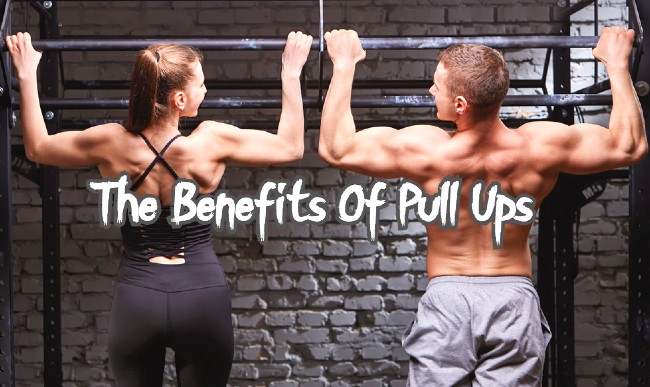
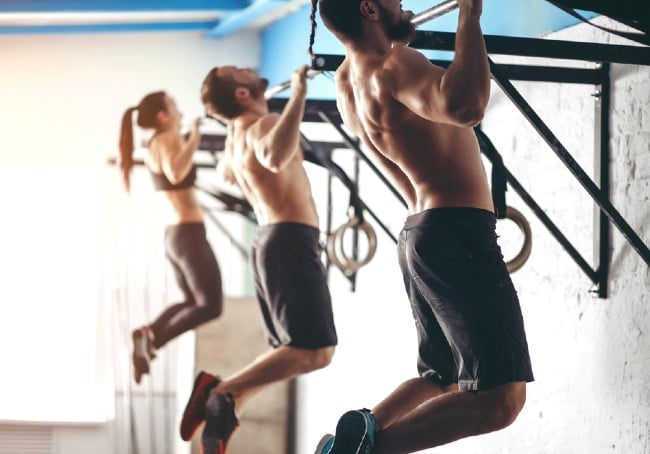
A pull-up is a compound bodyweight exercise. You hang from a bar with an overhand grip and pull your body up until your chin clears the bar, then lower under control. It’s one of the cornerstones of calisthenics and has been a staple of strength training for well over a century, popularised through the gymnastics and physical culture movements and figures like the early strongman Eugen Sandow.
Muscles Worked
| Muscle group | Role |
|---|---|
| Latissimus dorsi (lats) | Primary mover, drives the pull |
| Rhomboids and mid/lower traps | Retract and stabilise the shoulder blades |
| Biceps and brachialis | Flex the elbows, more so with an underhand grip |
| Forearms and grip | Hold your bodyweight on the bar |
| Rear deltoids | Assist the pull |
| Core | Braces to keep the body stable |
One worth clearing up: the triceps are not a prime mover in a pull-up. The triceps extend the elbow, while a pull-up flexes it, so despite what some lists claim, they’re not significantly involved.
The Main Benefits of Pull-Ups
1. Builds a Strong, Muscular Back
This is the headline benefit. Pull-ups are one of the best back builders there is, working the lats through a full range of motion along with the rhomboids and traps. Many pro bodybuilders rate them as their number one back exercise, and for good reason: few movements build back width and thickness as effectively. Unlike some bodyweight exercises, the pull-up genuinely builds real muscle.
2. Creates an Aesthetic V-Taper
By developing the lats on either side of your back, pull-ups build the coveted V-taper, where your back flares wide and your waist looks smaller by comparison. It’s one of the most aesthetic effects in all of training, and pull-ups are the most direct route to it. For more on building that look, see our guide on how to get a V-line and aesthetic physique.
3. Develops Serious Grip Strength
Hanging from a bar and hauling your bodyweight up forces your grip to work hard, and grip strength is one of the most underrated and transferable qualities in training. A stronger grip lets you hold heavier loads and is a genuine asset across nearly every pulling movement.
4. Carries Over to Other Lifts
That grip and pulling strength transfers directly to other exercises. Deadlifts, rows, and shrugs all rely on a strong grip, so building it through pull-ups helps your numbers across the board. The back and bicep strength carries over too.
5. Transfers to Sport and Real Life
Pull-ups are highly functional. The ability to pull and control your own bodyweight carries straight into activities like rock climbing, gymnastics, and any sport demanding upper-body pulling strength. It’s also genuinely useful in everyday situations, from hauling yourself out of a pool to climbing over an obstacle. Athletes pair them with movements like dipsand mountain climbers for well-rounded bodyweight strength.
6. Trains the Biceps Too
With an underhand (chin-up) grip, pull-ups shift more emphasis onto the biceps, letting you train your back and arms in a single movement. That makes them especially efficient on a pull day, hitting the major pulling muscles together.
7. Perfect for Pull Day
If you follow a push, pull, legs split, pull-ups are made for your pull days, which centre on back and biceps. One exercise covers both, saving time while delivering a serious training effect. They also feature heavily in programs like the PHULand PHAT routines, often with added weight.
8. No Gym Required
All you need is a sturdy bar to hang from. A home pull-up bar (securely fitted and rated for your weight), a solid beam, or even a strong tree branch will do. That accessibility makes pull-ups easy to keep up at home or while travelling, with no membership or machinery required. They pair naturally with push-ups for a complete, equipment-free upper-body session.
9. Highly Scalable
Pull-ups grow with you. When you’re starting out, you can build up with assisted variations, bands, or negatives. Once standard reps feel easy, you can make them brutally hard again by adding load with a dip belt and plates or a weighted vest, or by progressing to harder variations. Few exercises offer this much room to progress from your very first rep to advanced strength.
10. Improves Posture
By strengthening the back muscles that hold you upright, pull-ups help counteract the rounded, hunched posture so many people develop from hours at a desk or on a phone. A stronger back tends to mean a more upright stance and less associated neck and back discomfort.
11. Strengthens the Core
Pull-ups are primarily a back exercise, but your core works hard throughout to keep your body stable and prevent swinging. That constant bracing builds genuine core strength as a useful side effect, on top of everything the movement does for your upper body.
How to Do a Pull-Up Correctly
Pull-ups look simple but reward good technique:
- Grip the bar with an overhand grip, hands a couple of inches wider than shoulder-width.
- Hang with arms extended, then take a breath and brace your core.
- Engage your back and pull your elbows down and back, drawing your chest toward the bar until your chin clears it.
- Pause briefly at the top and squeeze your back muscles. Avoid swinging or kipping for momentum; this is a strict pull-up.
- Lower yourself under control to a full hang, then repeat.
Quality matters more than quantity. Clean, controlled reps build more strength and muscle than sloppy, half-range ones.
How to Build Up to Your First Pull-Up
If you can’t yet do a full pull-up, that’s completely normal, and it’s a matter of training rather than genetics. Build toward it with:
- Negatives: jump or step to the top position, then lower yourself as slowly as possible.
- Band-assisted pull-ups: loop a resistance band over the bar to take some of your weight.
- Inverted rows and lat pulldowns: build the same pulling muscles with adjustable resistance.
Train these consistently, and your first full pull-up will come, followed steadily by more.
FAQs About Pull-Ups:
What Muscles Do Pull-Ups Work?
Mainly the lats, supported by the rhomboids, mid and lower traps, biceps, forearms, and rear delts, with the core working to stabilise you. They’re a true upper-body pulling exercise centred on the back.
What If I Can Only Perform One Pull-up?
That’s a fine starting point, and it’s about training, not genetics. Use negatives, band-assisted pull-ups, inverted rows, and lat pulldowns to build the relevant strength, and add reps gradually. Most people can progress to several strict pull-ups with consistent practice.
Is it bad to do pull-ups every day?
Daily pull-ups can build endurance and muscle if the volume is sensible and you recover well, but high daily volume like 200 reps risks overuse injury to the elbows and shoulders without proper progression and rest. As with any exercise, recovery is part of the process, so quality and gradual progression beat sheer volume.
Are pull-ups enough to build a big back?
They’re an outstanding foundation, but a complete back routine usually adds rows and other movements to fully develop every angle. Pull-ups anchor the work; accessories round it out.
Pull-ups or chin-ups, what’s the difference?
Pull-ups use an overhand grip and emphasise the back, while chin-ups use an underhand grip and bring the biceps in more. Both are excellent; many people include both for balanced development.
The Bottom Line
Don’t let the lack of equipment fool you. Pull-ups are one of the most effective upper-body exercises you can do, building a wide, muscular back, a strong grip, real pulling power, and an aesthetic V-taper, all from a single bar. They scale from your first assisted rep to heavily weighted sets, which means they stay valuable for life.
Whether you’re chasing strength, size, or a better-looking physique, pull-ups deserve a central place in your training. Find a bar, start where you are, and build from there. Enjoy the back pump.

Reda El Is a CSCS trainer, Registered Dietitian, ACE-certified nutritionist, With more than 12 years of experience, also he's a Brazilian Jiu-Jitsu competitor, he has done many articles and information sources on many authority sites, such as lifehack.org, Healthline, eat this, wealthygorilla.com, and more. He always keeps improving and updating his knowledge to help everyone to achieve their goals.
All articles by Reda Elmardi →